
It is a little past nine in the morning. On the first floor, to the right in a small, square apartment complex in Køge, Silas has just woken up after another restless night. In the living room, the morning light falls on a small LEGO light rail train parked on the windowsill. Just below it, a lone grey Under Armour backpack rests against the radiator. It does not hold much yet, but the intention is to pack it with a change of clothes, sweatpants, a laptop, two pairs of headphones, a power bank, and an extra charger. Maybe also Churchill’s biography. Just enough for Silas to get by for a while when, at short notice, he has to put his life on hold.
“The body knows. You can’t put it aside. It’s so deeply ingrained in you that the call will come at some point. You just don’t know when.”
Twenty-seven-year-old Silas Thing Sørensen is one of approximately 23 Danes currently active on the waiting list to receive a new liver.
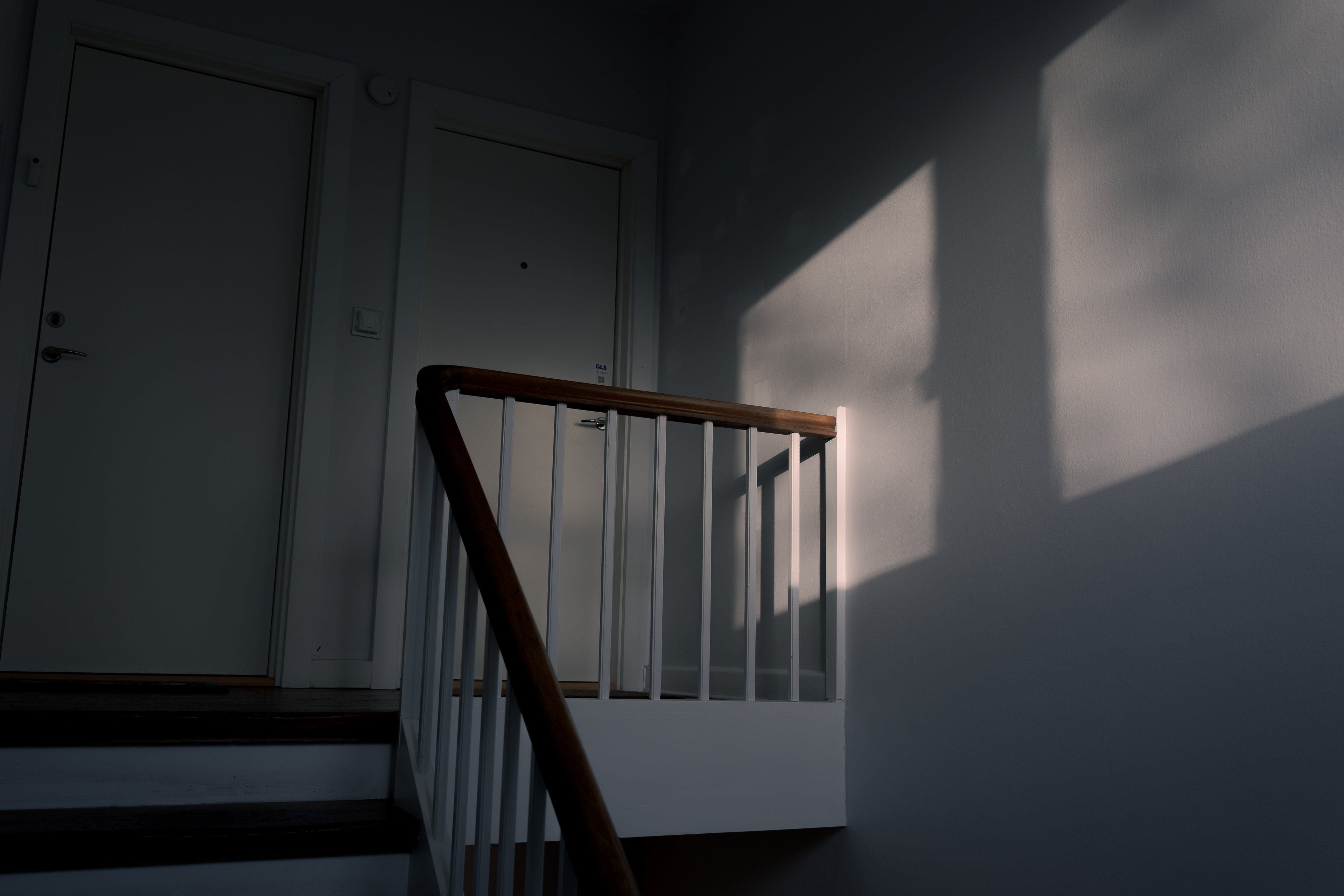
Silas was born with persistent jaundice as a result of Alagille syndrome, a rare condition in which bile builds up in the liver. He was only three years old when he underwent his first liver transplant. A few years later, his condition worsened, and in the middle of second grade, he had another liver transplant. It failed, causing a blood clot in the liver’s main artery, and just a few days later he received his third liver.
It has now been about sixteen years since Silas was last given a liver transplant. Despite difficult periods of liver infections and short hospital stays, he has been doing well. Now, early signs of cirrhosis have put him back on the waiting list, where he has spent the past eight months waiting for the call that a fourth liver is ready.
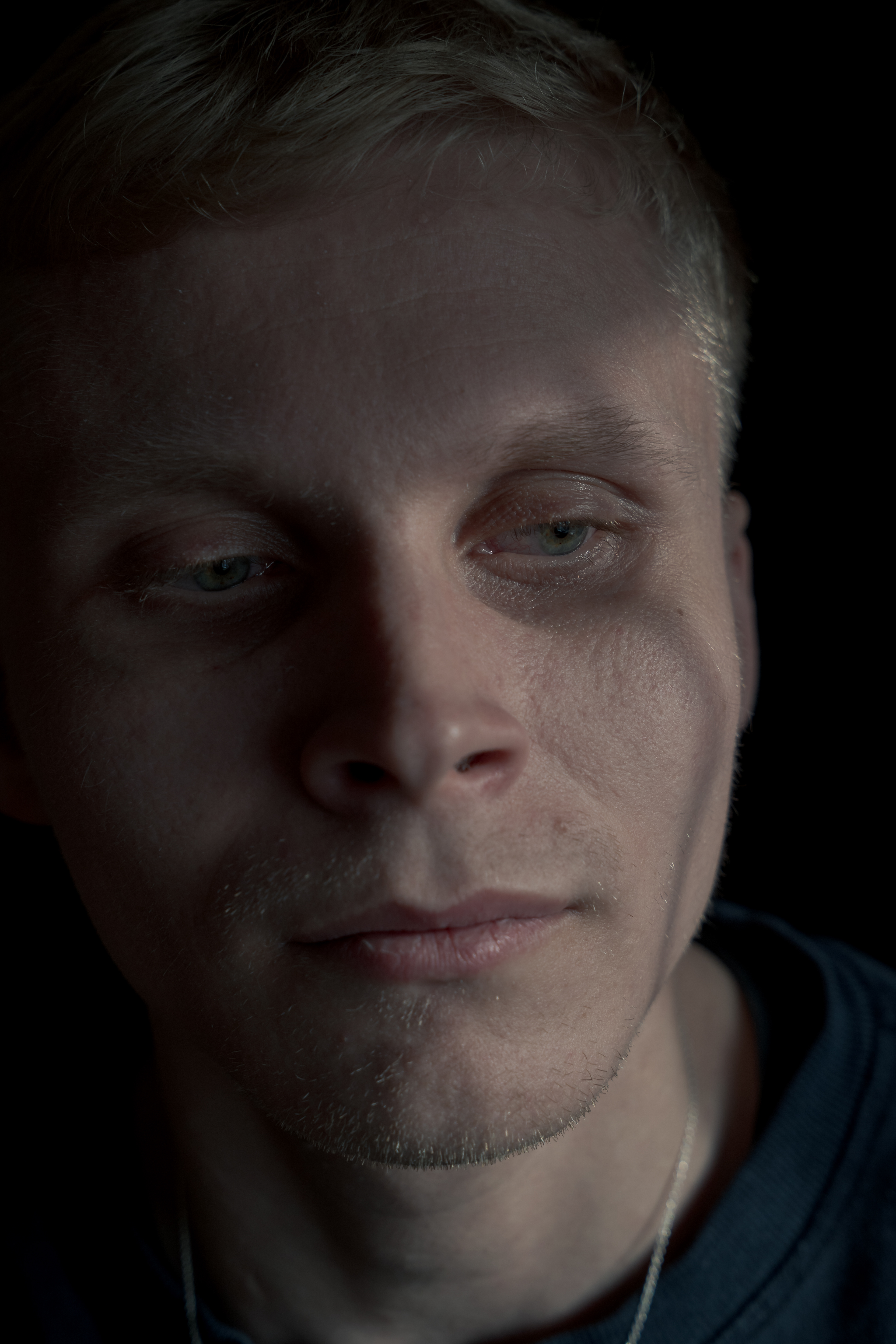
Does God want me to have four liver transplants?
Silas has held death in his hands for most of his life, yet he has always approached both life and death with a clear-eyed pragmatism. When it became evident that his third liver would not last much longer, he spoke with a hospital chaplain about his future—not because he is religious or seeking comfort in faith, but because he needed help identifying what makes life worth fighting for a fourth time.
Silas has held death in his hands for most of his life, yet he has always approached both life and death with a clear-eyed pragmatism. When it became evident that his third liver would not last much longer, he spoke with a hospital chaplain about his future—not because he is religious or seeking comfort in faith, but because he needed help identifying what makes life worth fighting for a fourth time.
“I find it a bit hard to believe in God when you have to go through four liver transplants. You could say it’s God’s way of testing me. But does God really want me to have four liver transplants? Then he’s kind of an asshole.”
As long as Silas remains on the waiting list, his phone is always fully charged and within reach. He is not allowed to leave the country or visit islands without bridge connections, and he must also notify Rigshospitalet if he travels to Funen or Jutland.
Silas loves life, but right now he is living in a state of suspension—a life whose continuation depends on the death of others.
“You’re standing still in life. I can’t go anywhere. The world moves on, but my life stands still. Nothing really changes.”
By the end of 2025, just under 400 Danes were on the waiting list for a new organ. For them, organ donation is not an abstract issue, but a daily reality. They live in bodies that are slowly failing, while hoping for the call that could extend their lives. Outwardly, their everyday lives may look like anyone else’s, but they live in a constant state of readiness—always available, always prepared to put their lives on hold, with no guarantee that they will ever be able to resume them.
Between Transplants
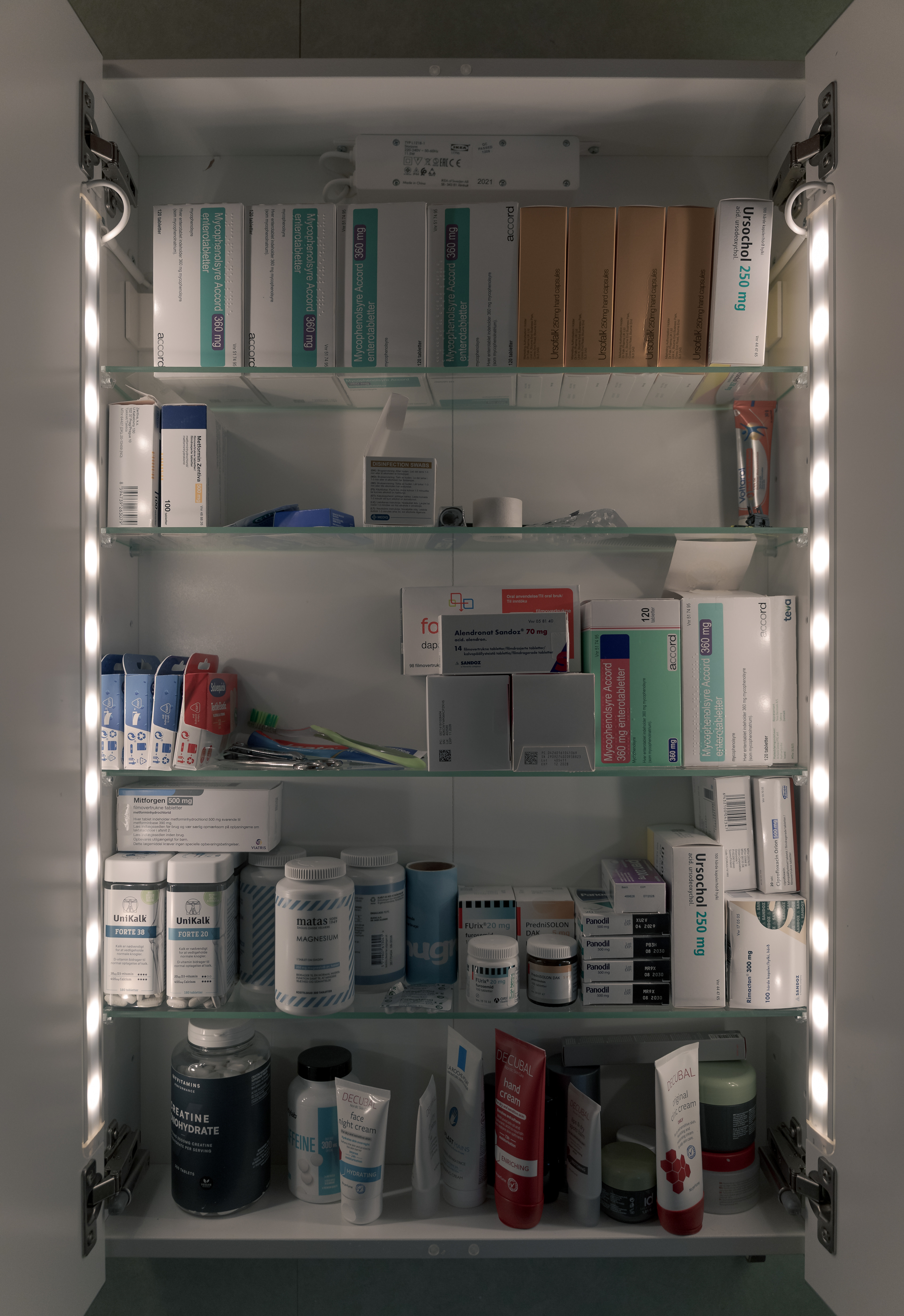
It hasn’t been long since Silas got out of bed. He walks into the bathroom, takes a syringe from one of the neatly organized boxes on the shelf above the toilet, and sits down on the toilet seat with his trousers pulled down to his knees. The syringe contains blood-thinning medication to prevent clots in the transplanted liver. There is a tight sting in his thigh as he pushes the plunger all the way down, but not so much as a flicker crosses his face. It is routine.
It hasn’t been long since Silas got out of bed. He walks into the bathroom, takes a syringe from one of the neatly organized boxes on the shelf above the toilet, and sits down on the toilet seat with his trousers pulled down to his knees. The syringe contains blood-thinning medication to prevent clots in the transplanted liver. There is a tight sting in his thigh as he pushes the plunger all the way down, but not so much as a flicker crosses his face. It is routine.
After breakfast, he takes more medication.
Some to protect the liver from infection.
Some to prevent his immune system from rejecting the transplanted liver.
Some to prevent the buildup of substances from the liver. Some to ease the intense itching caused by that buildup. Some to reduce fluid retention outside the liver. And some to regulate his blood sugar and strengthen his bones. Several of the medications he will have to take again throughout the rest of the day.
Some to protect the liver from infection.
Some to prevent his immune system from rejecting the transplanted liver.
Some to prevent the buildup of substances from the liver. Some to ease the intense itching caused by that buildup. Some to reduce fluid retention outside the liver. And some to regulate his blood sugar and strengthen his bones. Several of the medications he will have to take again throughout the rest of the day.
Four retransplantations are extremely rare, and there is therefore no existing data that can offer a statistical picture of Silas’s chances of surviving his upcoming liver transplant. What is known, however, is that the chances of survival decrease with each retransplantation.
“Once I’ve told myself that I’m going to go through with it, I stick to that. I mean, I hope it will get better. This liver can’t keep going, so I have to do something active for life to improve. I have to take that chance. But I’m prepared that I will most likely die from this one. I’m pretty realistic.”
In the summer of 2025, Denmark’s organ donation consent law was changed to a soft opt-out model. This means that individuals must still actively confirm their donor status for it to be valid. The legislative change led to a significant increase in registrations in the Organ Donor Register, but one in three Danes still has not made a decision about organ donation. Young people are the most underrepresented group. Studies suggest that many young people find it difficult to confront their own mortality and therefore postpone making a decision.
Without Turbulence
A muted click breaks the silence as Silas instinctively presses down the control handle at short intervals. On the rare occasion that too much time passes between clicks, the rhythm is interrupted by a brief warning tone. It is the dead man’s switch, demanding a sign of life from Silas every ten seconds.
A muted click breaks the silence as Silas instinctively presses down the control handle at short intervals. On the rare occasion that too much time passes between clicks, the rhythm is interrupted by a brief warning tone. It is the dead man’s switch, demanding a sign of life from Silas every ten seconds.
He brakes at Ishøj Station, turns the key, unlocks the narrow glass door, and strolls purposefully through the three carriages. At the far end, he lets himself into the other driver’s cab, turns the key again, and sets off in the opposite direction toward Rødovre Nord Station, accompanied by the steady, muted signals of life.
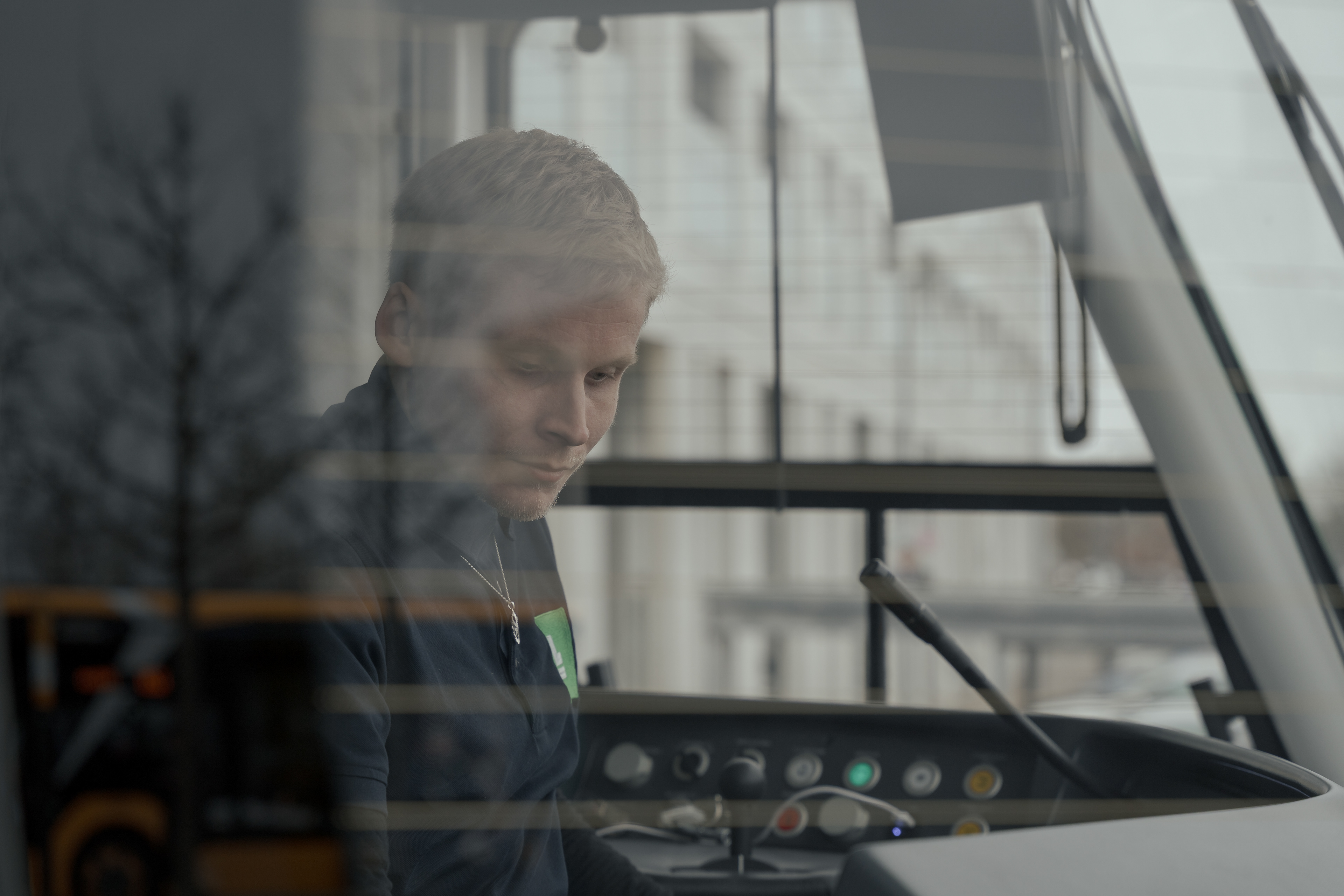
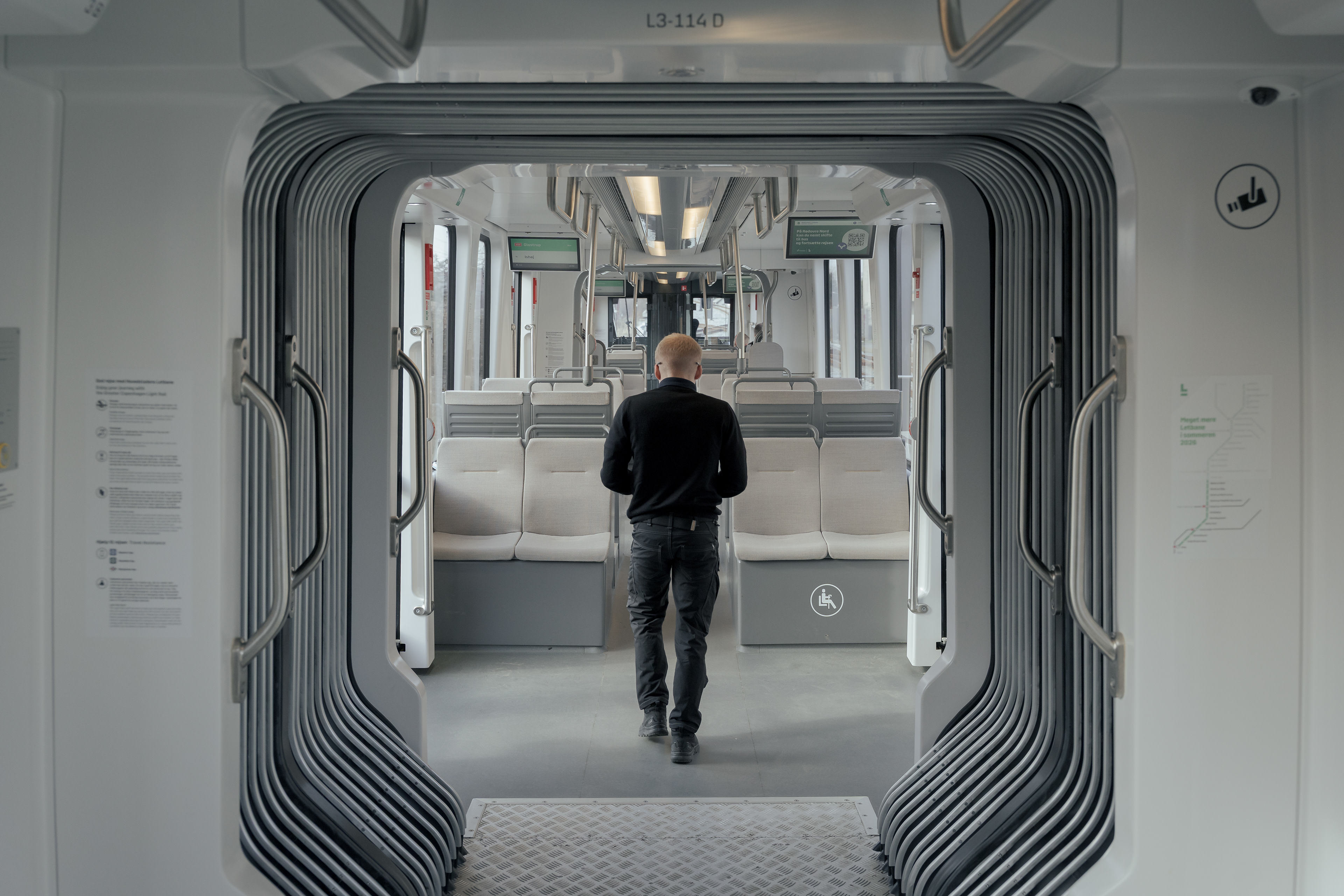
When Silas was a child and admitted to Rigshospitalet, he would always go out and ride the S-train with his grandmother during breaks between examinations. Ever since, trains have been one of Silas’s great passions. Two years ago, he was employed by the light rail operator Metro Service in Glostrup, where he works, among other things, as a light rail driver.
“I think I love this job because it’s so simple. As a liver transplant recipient, there are so many things in my life all the time that create unrest. When I’m driving, there is no unrest around me. It just is what it is. Completely normal.”
Silas hopes that the next liver will give him enough stability in life to eventually pursue a career in project management.
A World of Its Own
Rigshospitalet is the only hospital in Denmark that performs liver transplants, and it has therefore formed the backdrop for most of Silas’s life. He has practically grown up here—attending primary school for two years, celebrating birthdays, and even spending Christmas within its walls. He knows the building, the staff, and the rhythm. It is where he feels safest. But when half your life has revolved around a hospital, it can be difficult to figure out who you really are in the world outside.
Rigshospitalet is the only hospital in Denmark that performs liver transplants, and it has therefore formed the backdrop for most of Silas’s life. He has practically grown up here—attending primary school for two years, celebrating birthdays, and even spending Christmas within its walls. He knows the building, the staff, and the rhythm. It is where he feels safest. But when half your life has revolved around a hospital, it can be difficult to figure out who you really are in the world outside.
“The hospital world is a world of its own. Everyone here wants the best for you. You know what you’re walking into and what people are like. They will always try to do what’s best for you. It’s not necessarily like that when you step out into the real world. I had to learn how to be social. Sometimes I still find that a bit difficult.”
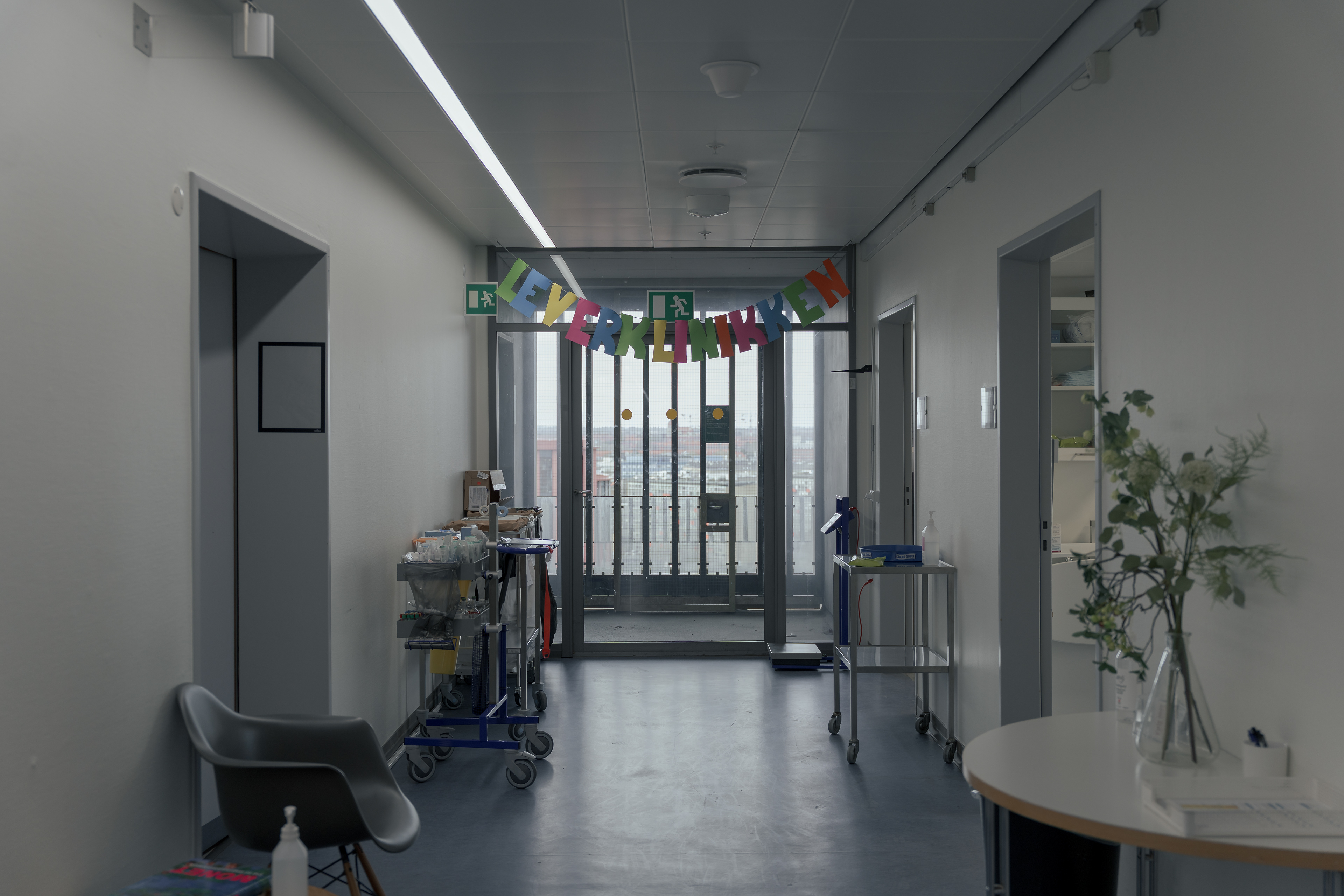
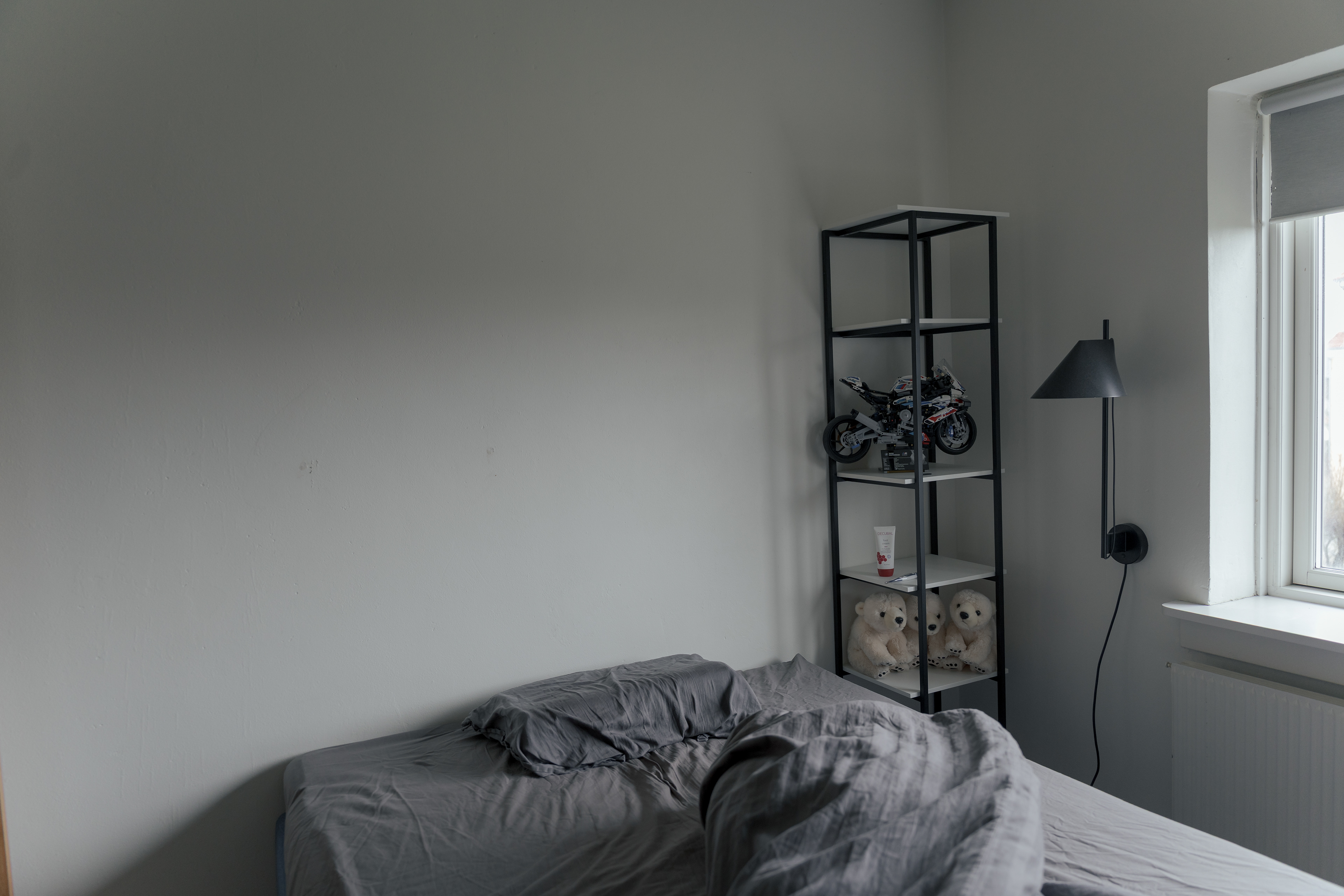
Although Silas feels that people are generally understanding of his illness, many do not realize how little energy he has. He tires quickly and needs breaks. For that reason, online gaming has become a way for him to be social on his own terms when he is not hospitalized. There, he can withdraw for an hour or two without anyone questioning his sudden absence.
When Silas is on the waiting list for an organ transplant, he has check-ups at Rigshospitalet every three months. During these visits, both his mental state and physical health are assessed so doctors can evaluate his ability to undergo the upcoming liver transplant.
“I just try to focus on working out, my job, and whatever makes me happy. I think it might improve my chances of getting through it.”
Beneath the T-shirt
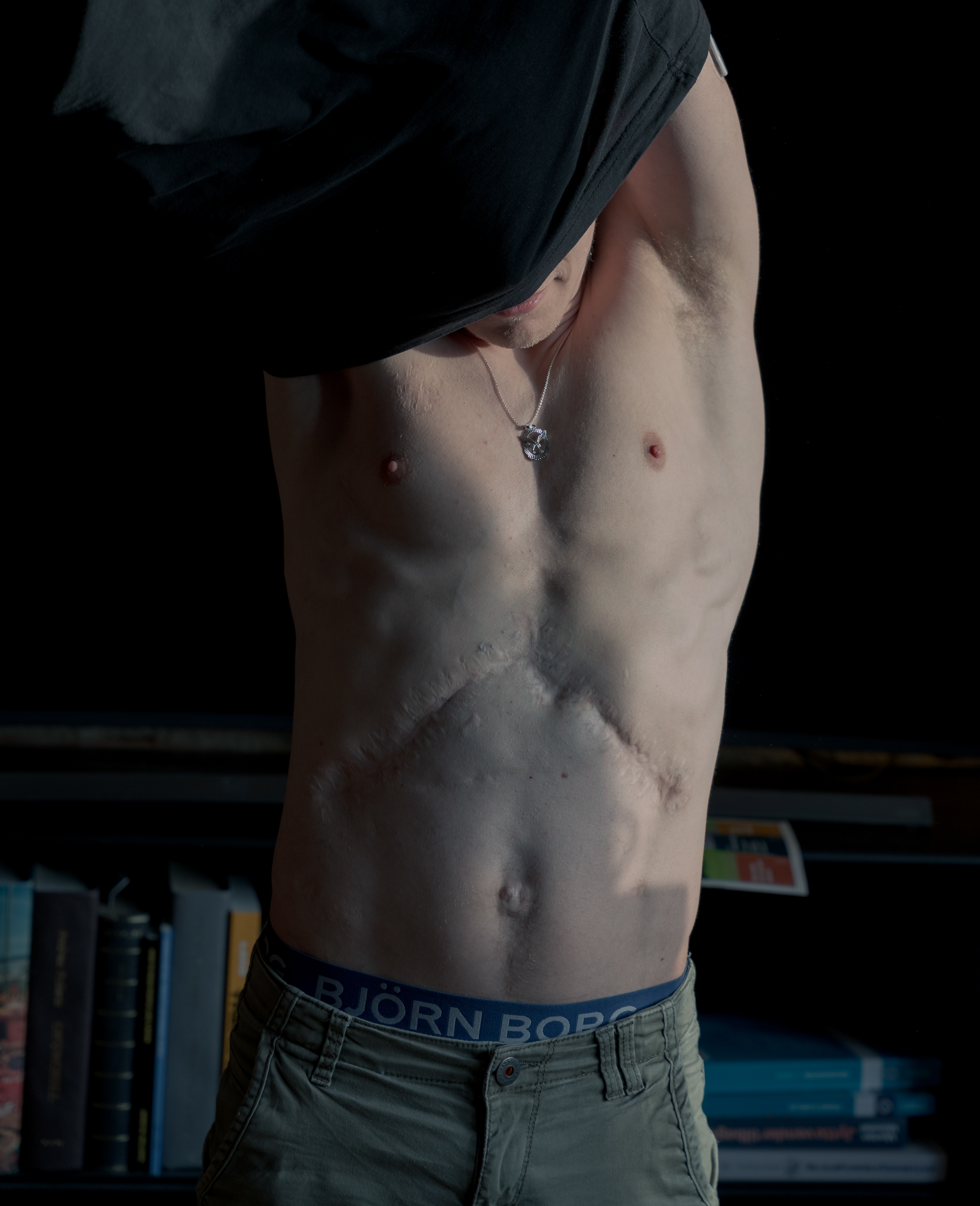
Silas is not allowed to get tattoos, as his immunosuppressive medication makes him more vulnerable to infections. Instead, his body bears a large scar—one that will stay with him for life—a constant reminder of the three foreign livers that have, so far, given him his life back. At the same time, Silas finds that the scar becomes an uninvited cue for others’ imaginative guesses about what he has been through. When he covers it, he feels like he looks like everyone else.
Silas is not allowed to get tattoos, as his immunosuppressive medication makes him more vulnerable to infections. Instead, his body bears a large scar—one that will stay with him for life—a constant reminder of the three foreign livers that have, so far, given him his life back. At the same time, Silas finds that the scar becomes an uninvited cue for others’ imaginative guesses about what he has been through. When he covers it, he feels like he looks like everyone else.
“In the summer, I mostly wear T-shirts. When I show my body, people can already see half my story before I’ve even had the chance to tell it.”
A few months ago, he bought a silver necklace with a pendant shaped like an eagle. To Silas, it symbolizes strength and endurance.
About every other day, when the clock strikes 8:30 p.m., Silas goes to the gym to train and keep himself in the best possible shape. It may increase his chances of survival when the day finally comes. At the same time, being in good physical condition can help him get back on his feet more quickly and makes him more resilient to complications. He is also trying to gain weight, knowing that he will lose a significant amount during the transplant process.
“When you’re getting a new liver, you take two steps forward and five steps back.”
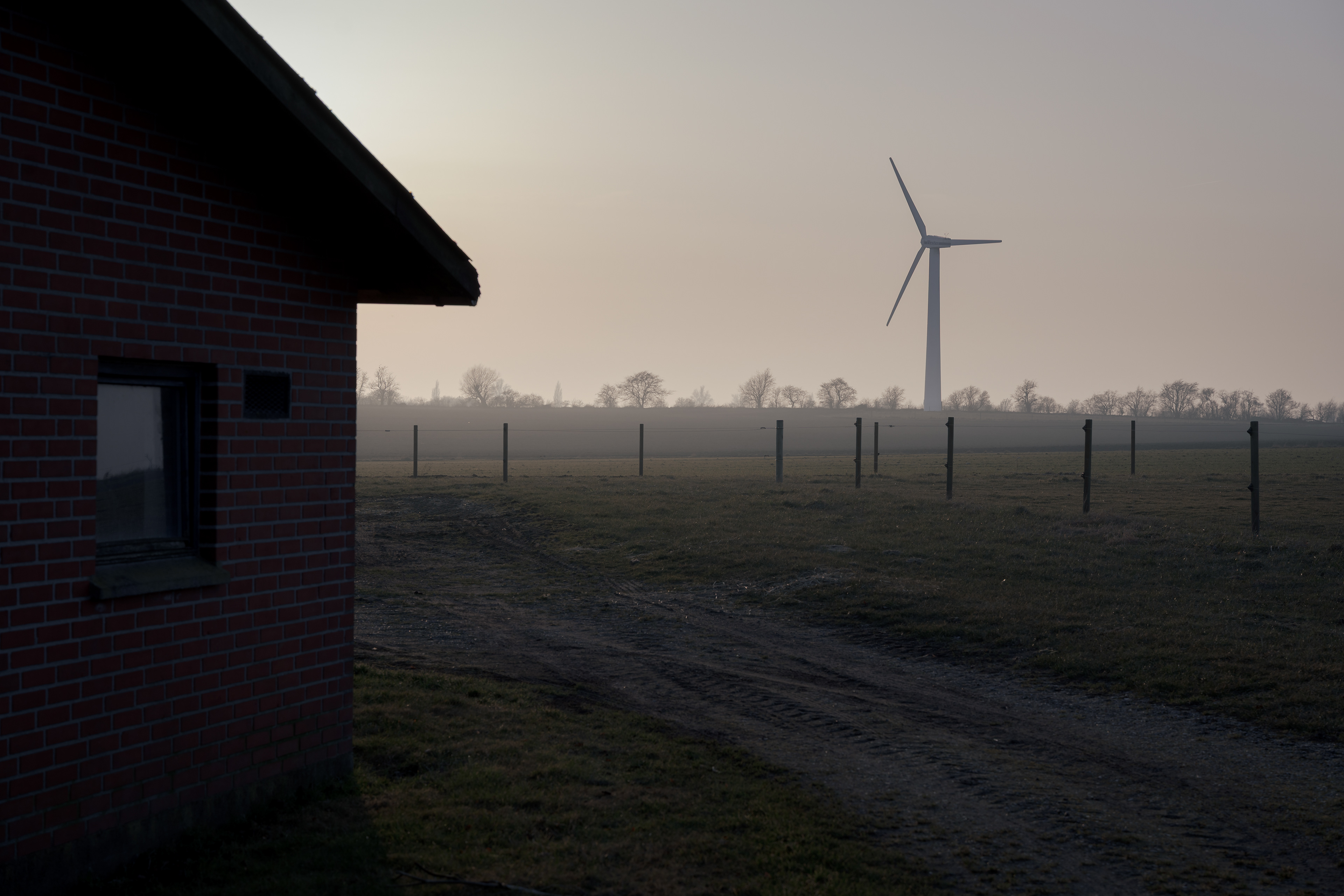
The Two of Us
Silas can feel behind in life when he sees peers starting families and settling down. He wants to find someone to share his life with, but it’s difficult to plan a future when your existence is on hold—and may soon be paused indefinitely.
Silas can feel behind in life when he sees peers starting families and settling down. He wants to find someone to share his life with, but it’s difficult to plan a future when your existence is on hold—and may soon be paused indefinitely.
“How do you even start a conversation about being a liver transplant recipient? At the same time, a partner has to be prepared for the high risk that I might die during the surgery.”
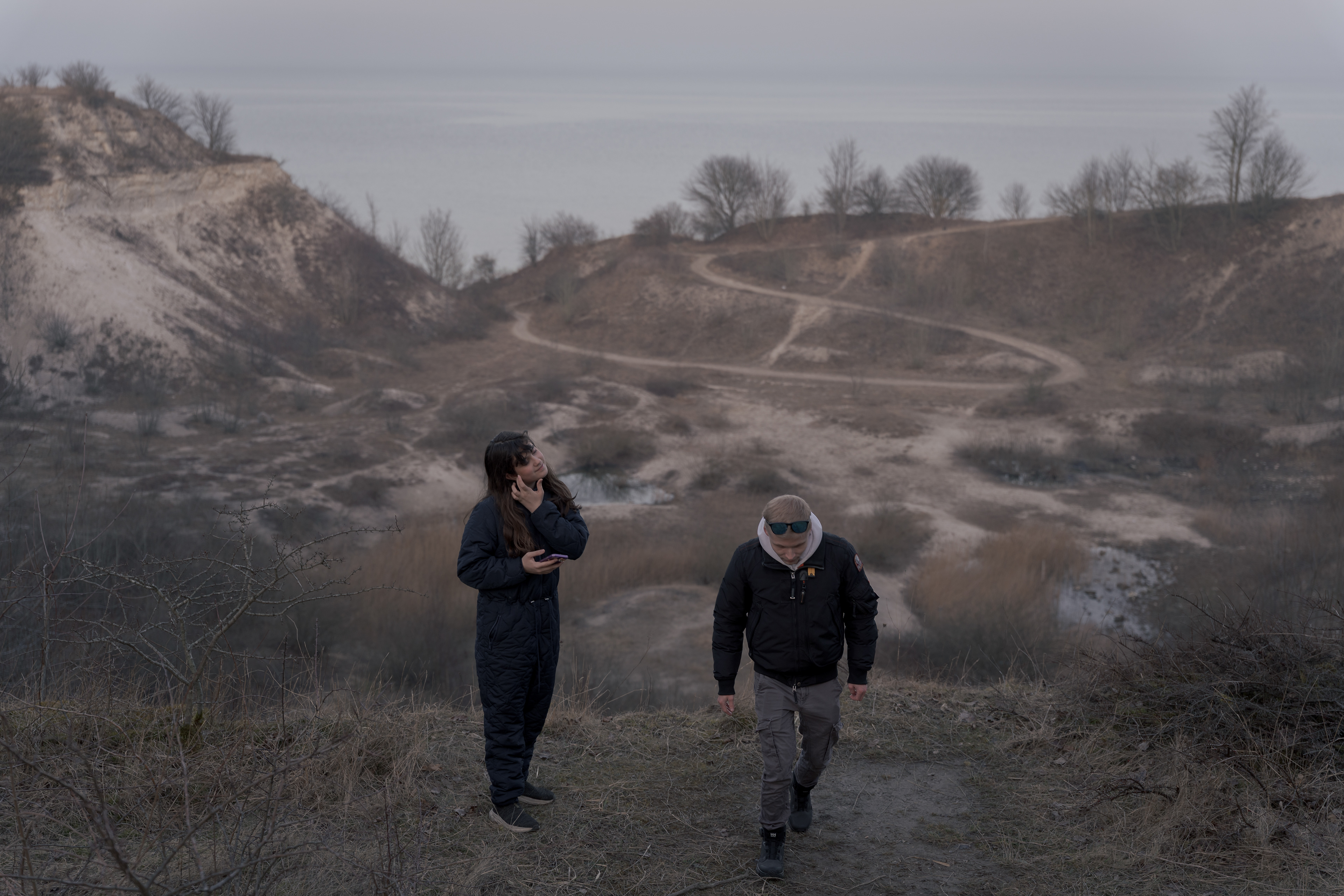
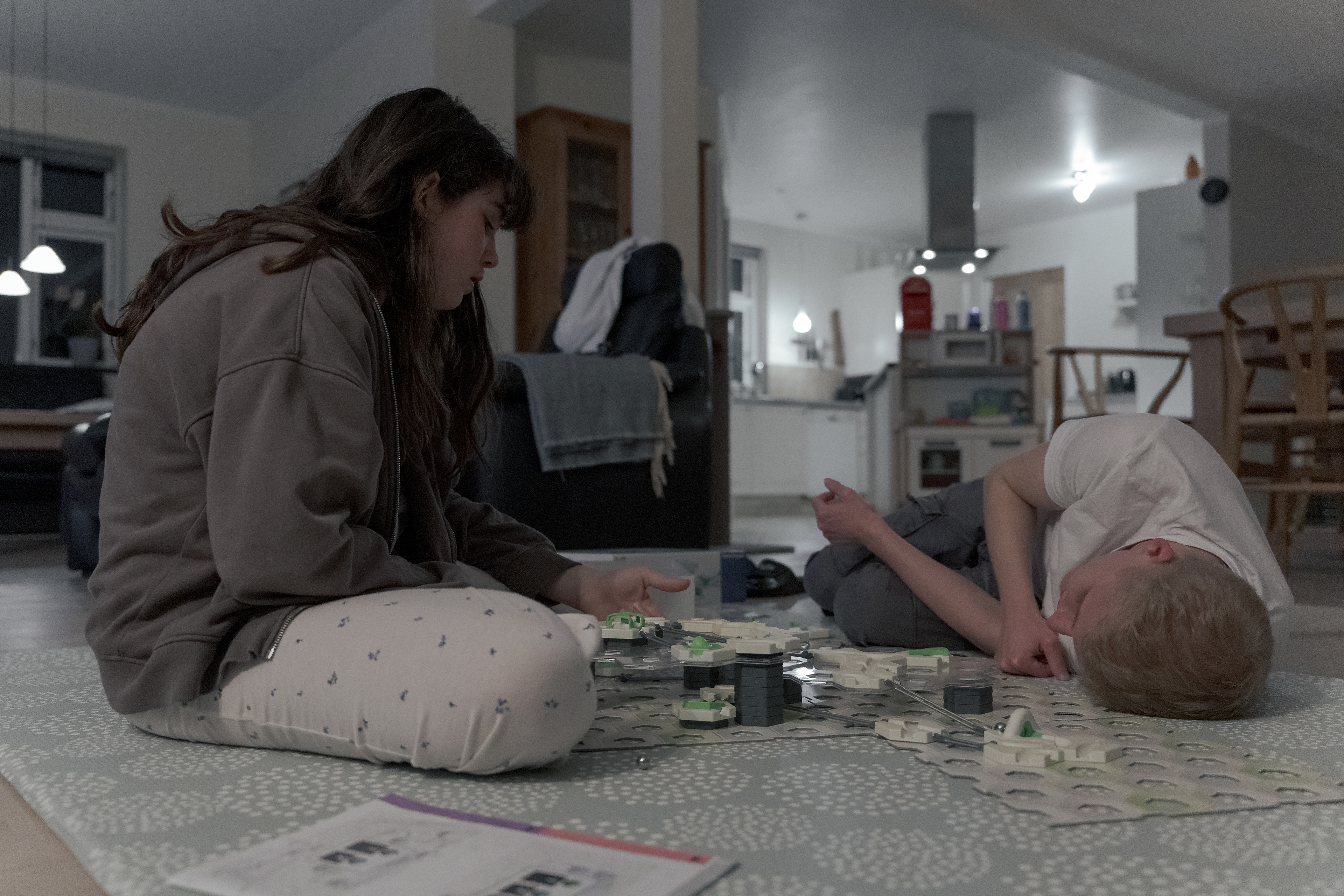
In the meantime, he divides his social energy between work and family. His illness has pushed family to the top of his priority list. It is important for him to have them close—especially during periods when he cannot manage on his own. Silas’s entire family lives in the Køge area, and once a week he visits his mother, Susanne, her partner Christian, and his twelve-year-old little sister Andrea at the family’s country property, just a stone’s throw from Holtug Quarry.
“I’ve been thinking more about how I spend time with my family while I’m on the list. I don’t know what the outcome will be, or when I’ll get that call.”
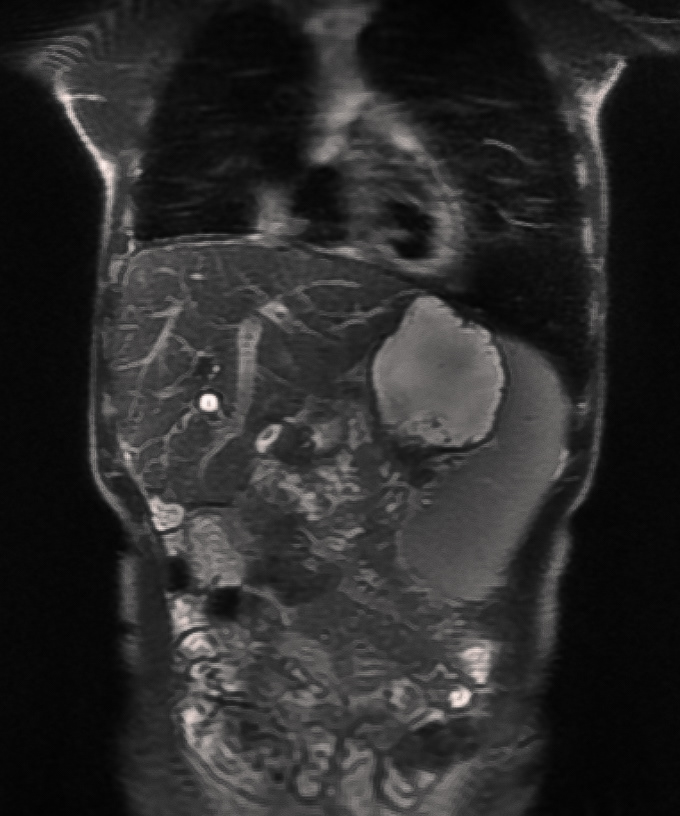
MRI scan of Silas in March 2019. On the left, the metal stent inserted into Silas’s fourth and current liver is visible. The stent holds the bile duct open from the inside, allowing bile to flow normally into the intestine.
When Silas underwent his second and third liver transplants, he came close to dying. It took him four years to fully recover and return to a relatively normal life. So when he was told he would need a fourth transplant, he initially questioned whether it was worth it. But above all, his desire to watch his little sister grow up became the deciding factor for him.
“There was a risk that I would die before her confirmation. I want to see her finish primary school, complete high school, and maybe start university—whatever path she chooses. At some point, when my parents are no longer here, I would be alone if Andrea wasn’t there. It’s just the two of us together.”
In the kitchen on the first floor in Køge, you are immediately greeted by a white potholder hanging from one of the shelves. South of the brand label, a drawing of a green light rail train stretches almost across the entire potholder. The train looks strikingly like the one Silas drives from Rødovre Nord to Ishøj and back again. Beneath the train, a handwritten note nearly spills over the bottom edge of the potholder:
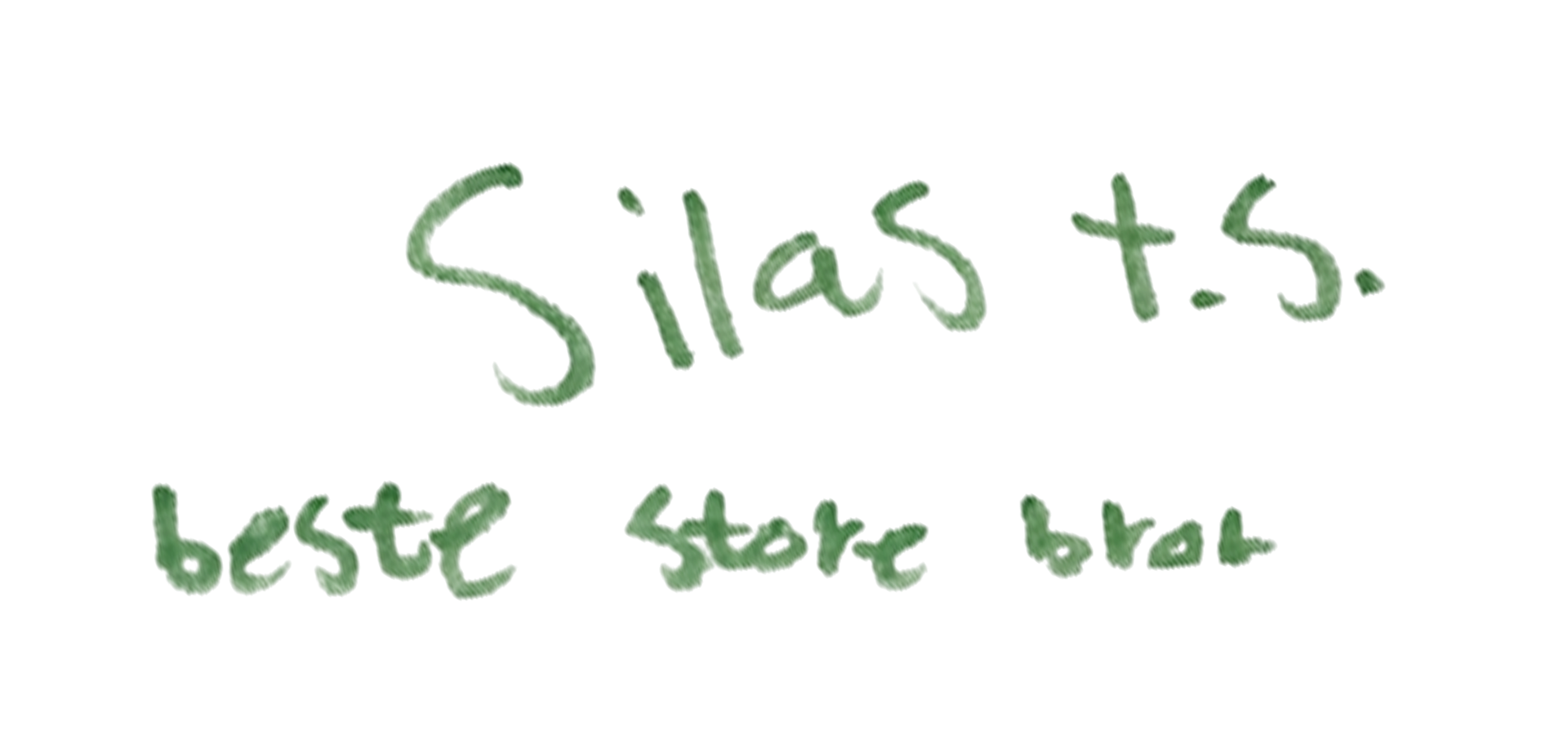
Translation: Silas T. S. best big brother
Silas dreams, above all, of a normal life. Of getting a liver that will last the rest of his life and keep him alive at least until he turns 60.
“Then I could be more present for my little sister and for others. Help others instead of always needing help myself.”