Made in collaboration with photojournalist Jeanna Nathalie Lund
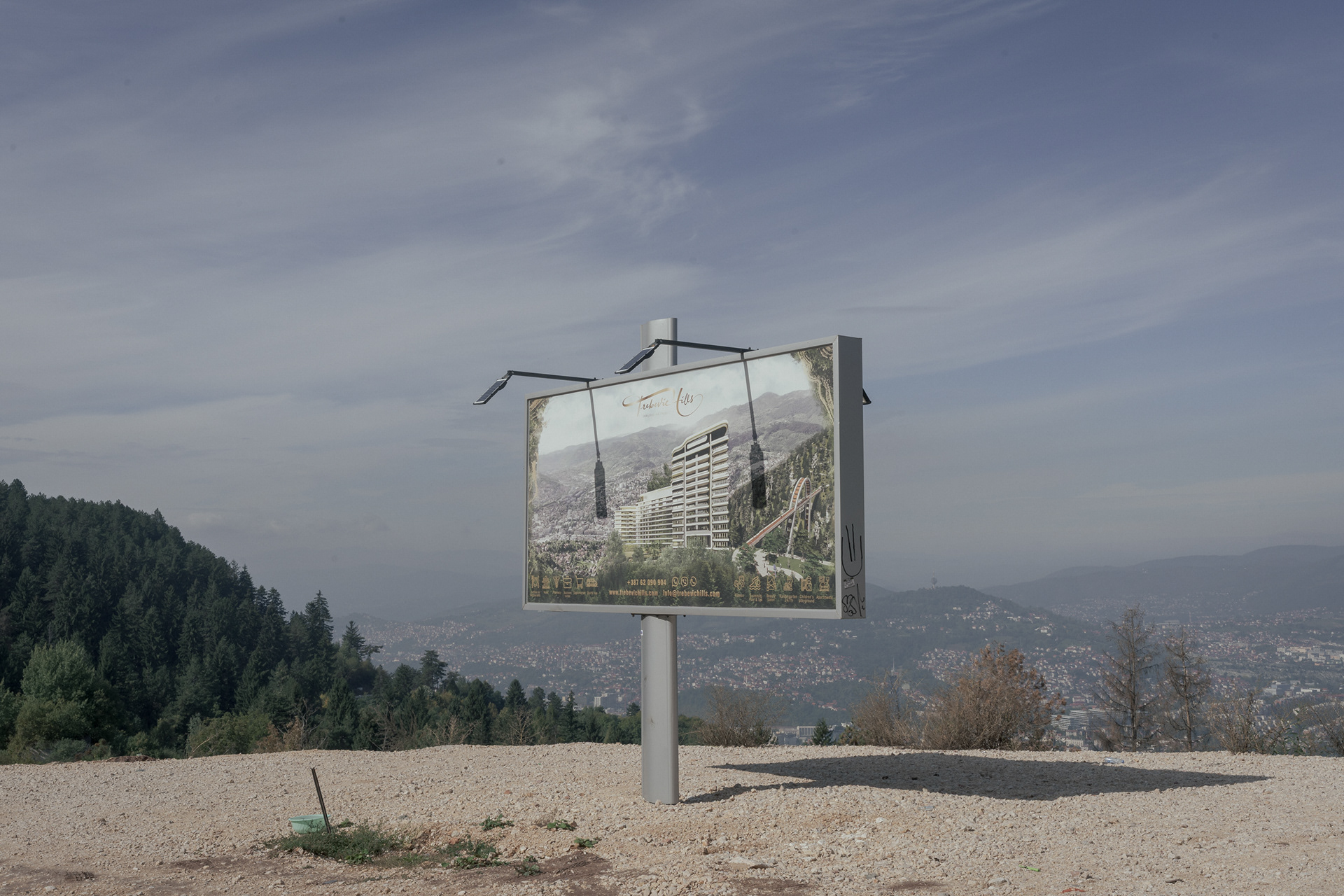
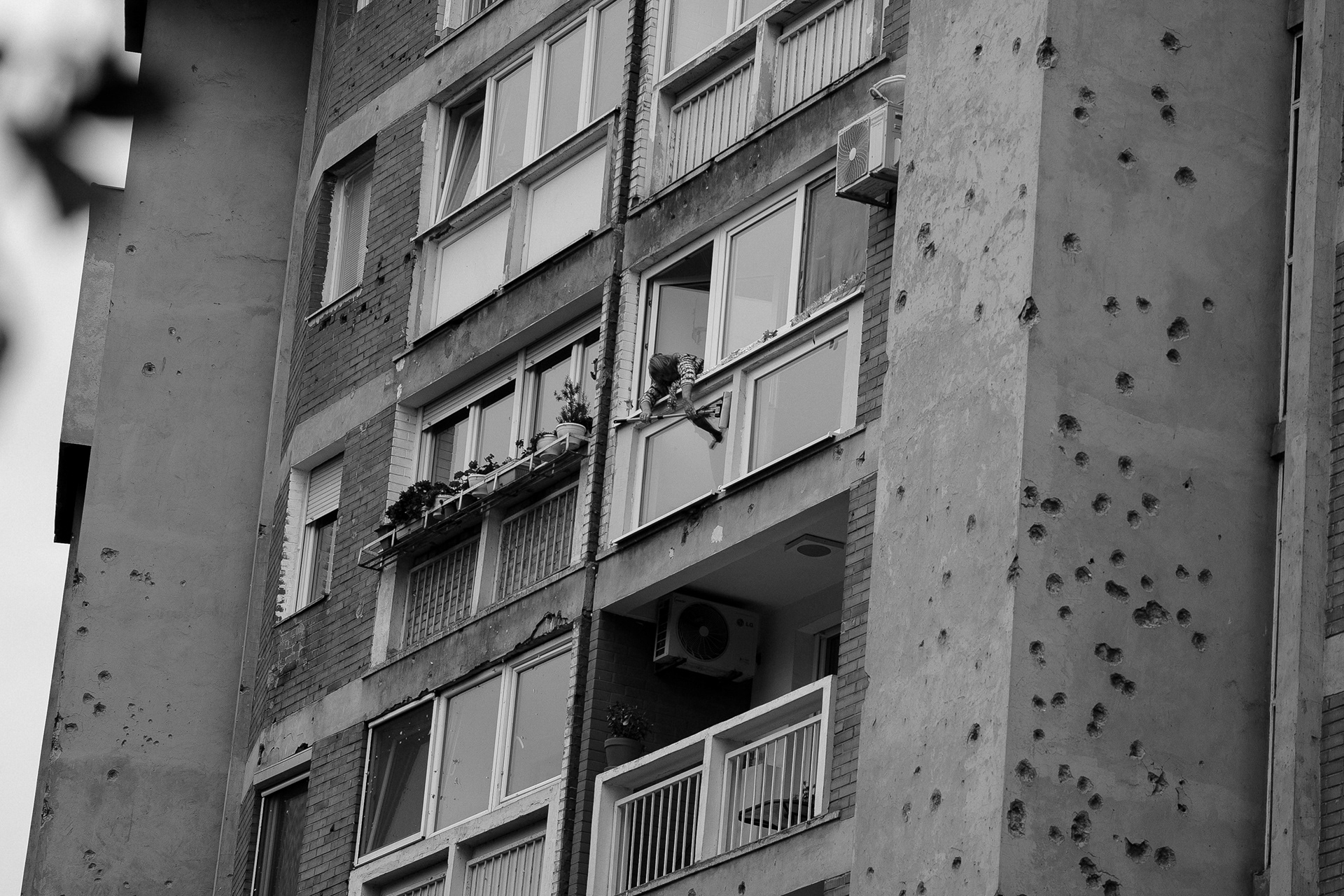
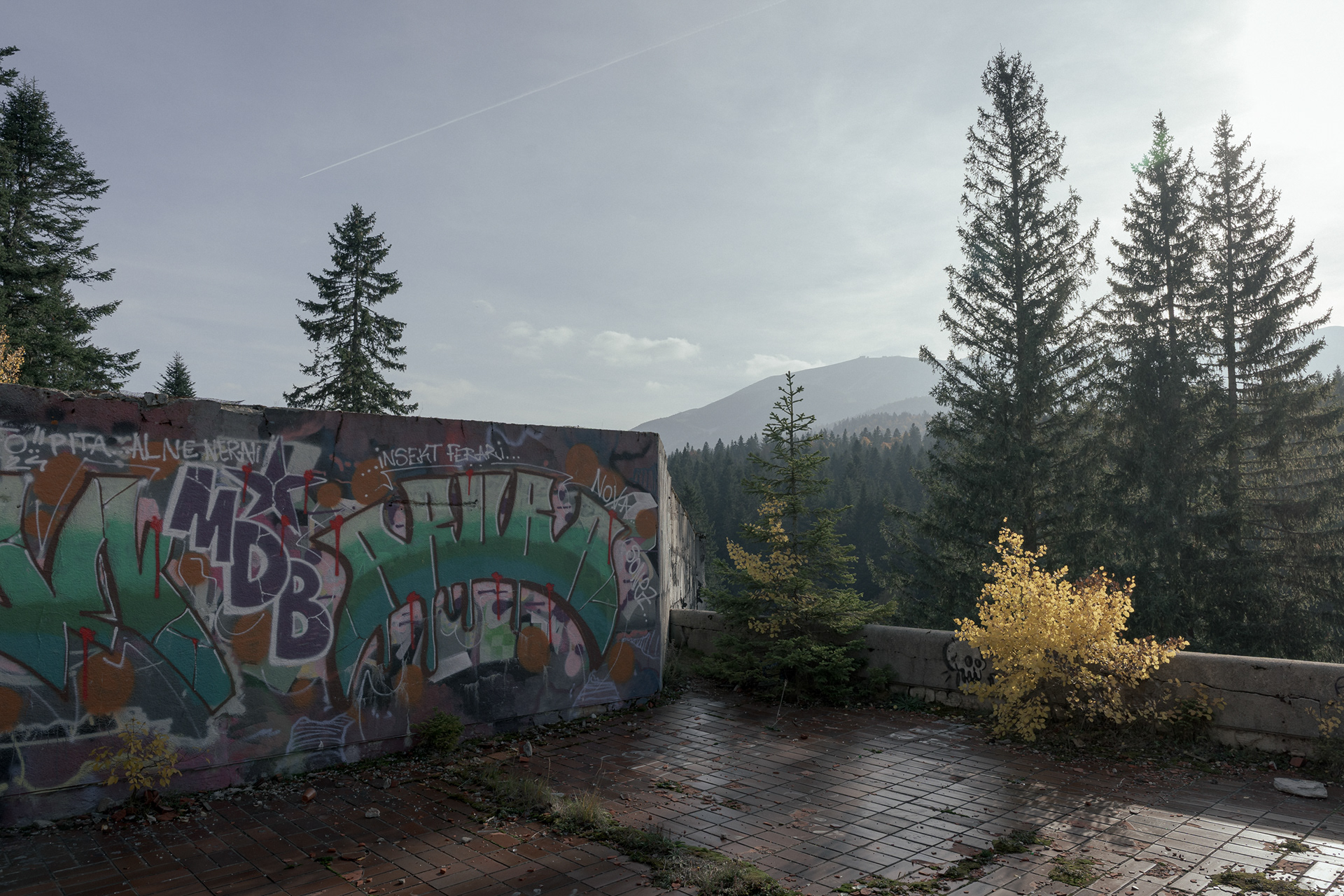
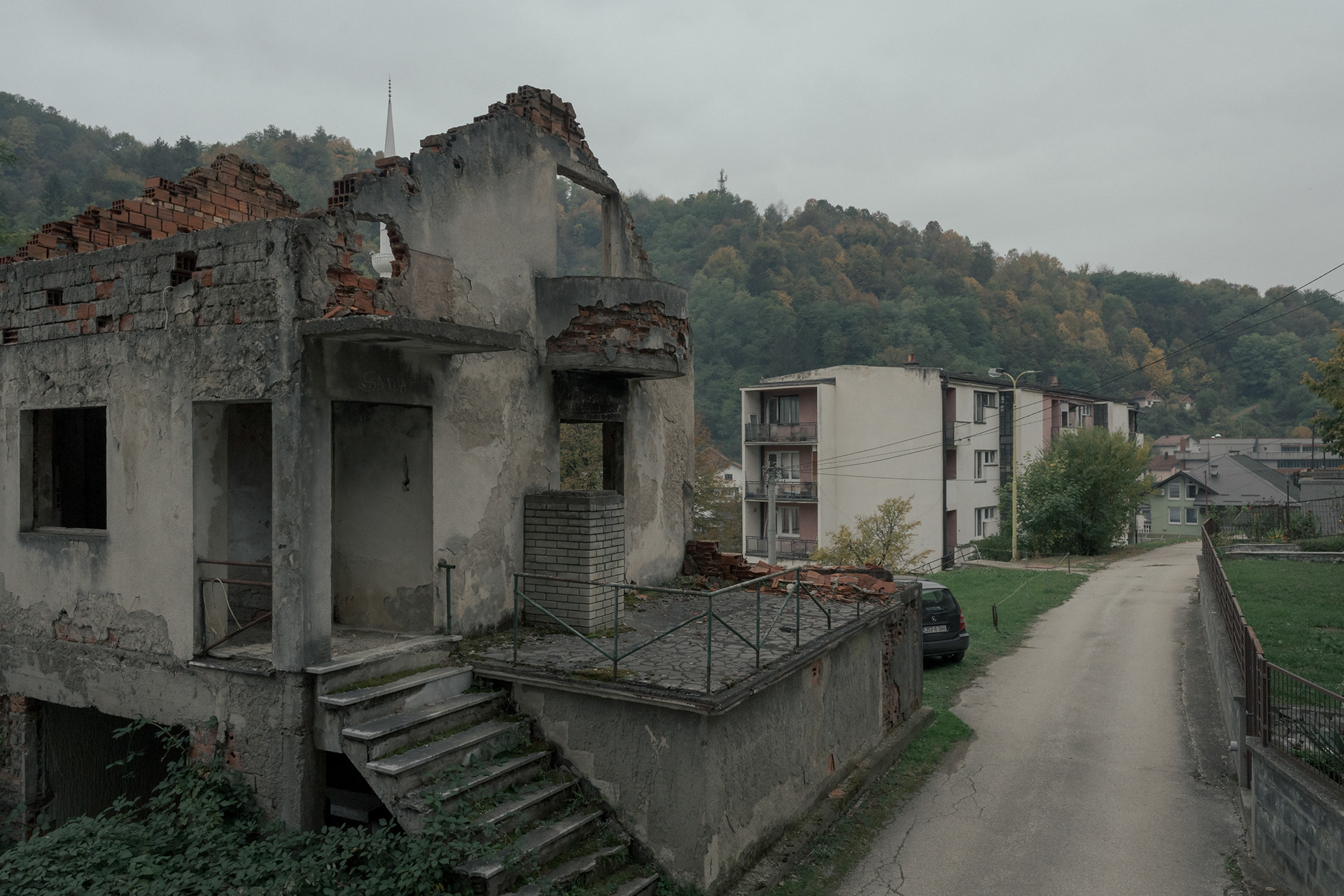
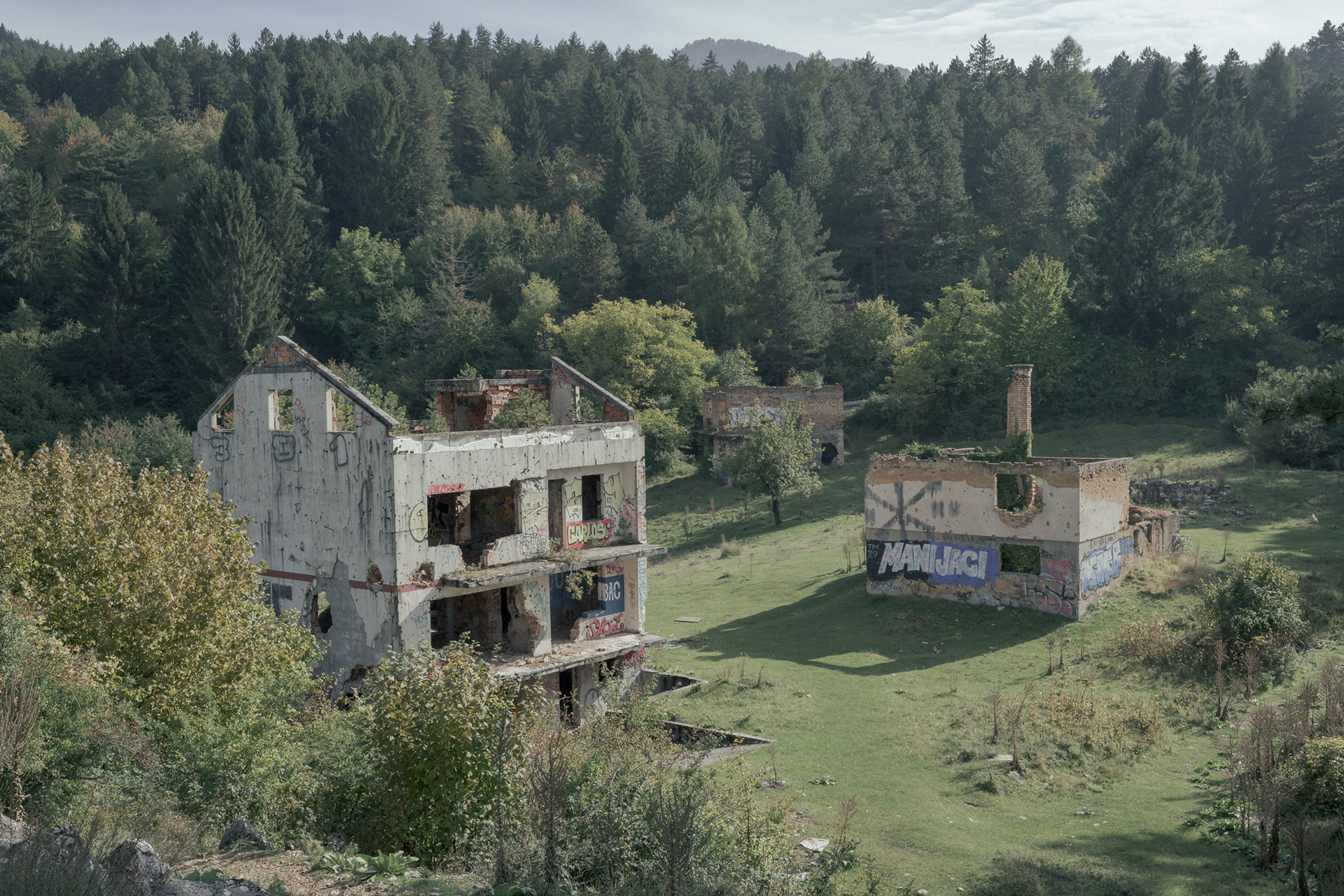
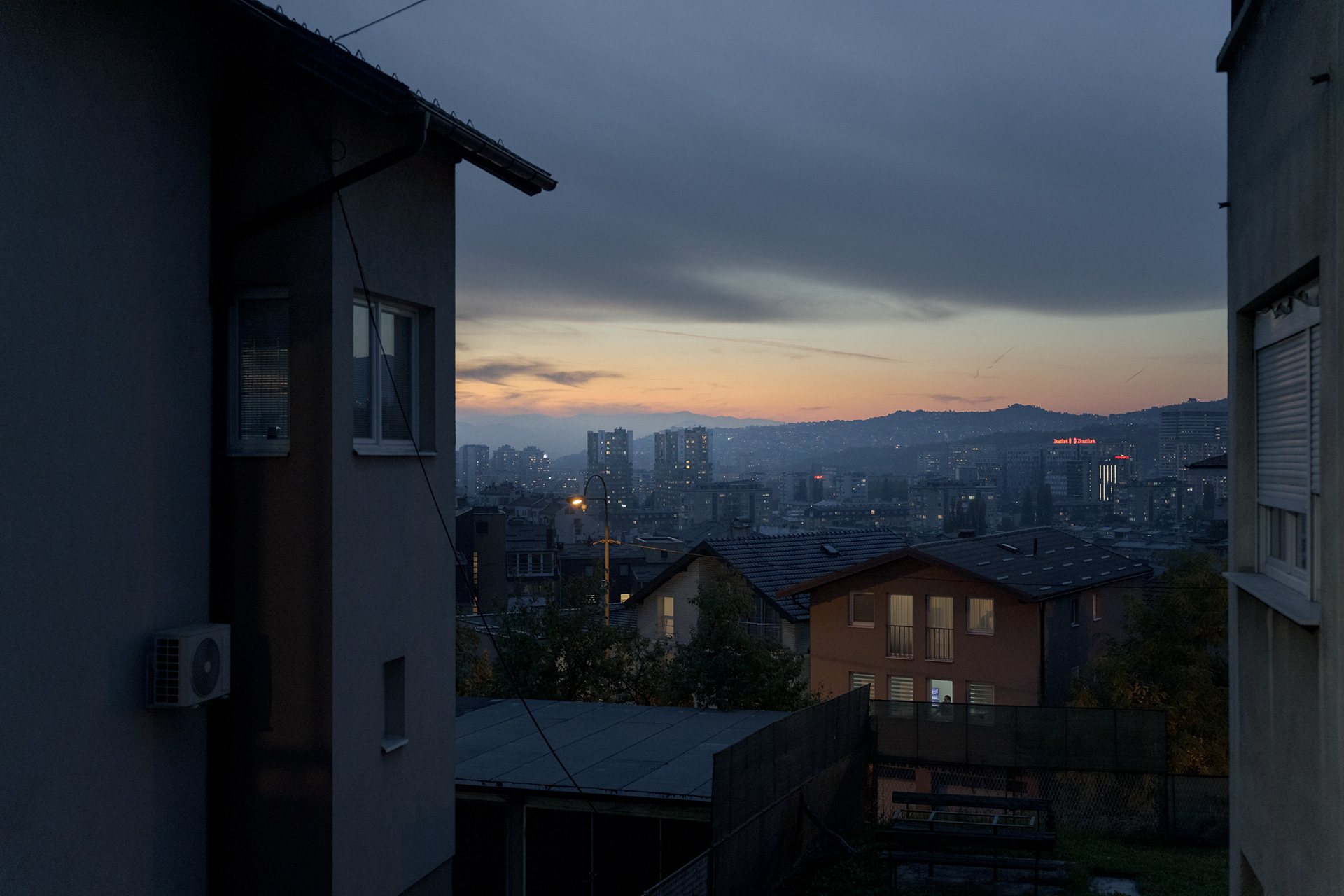
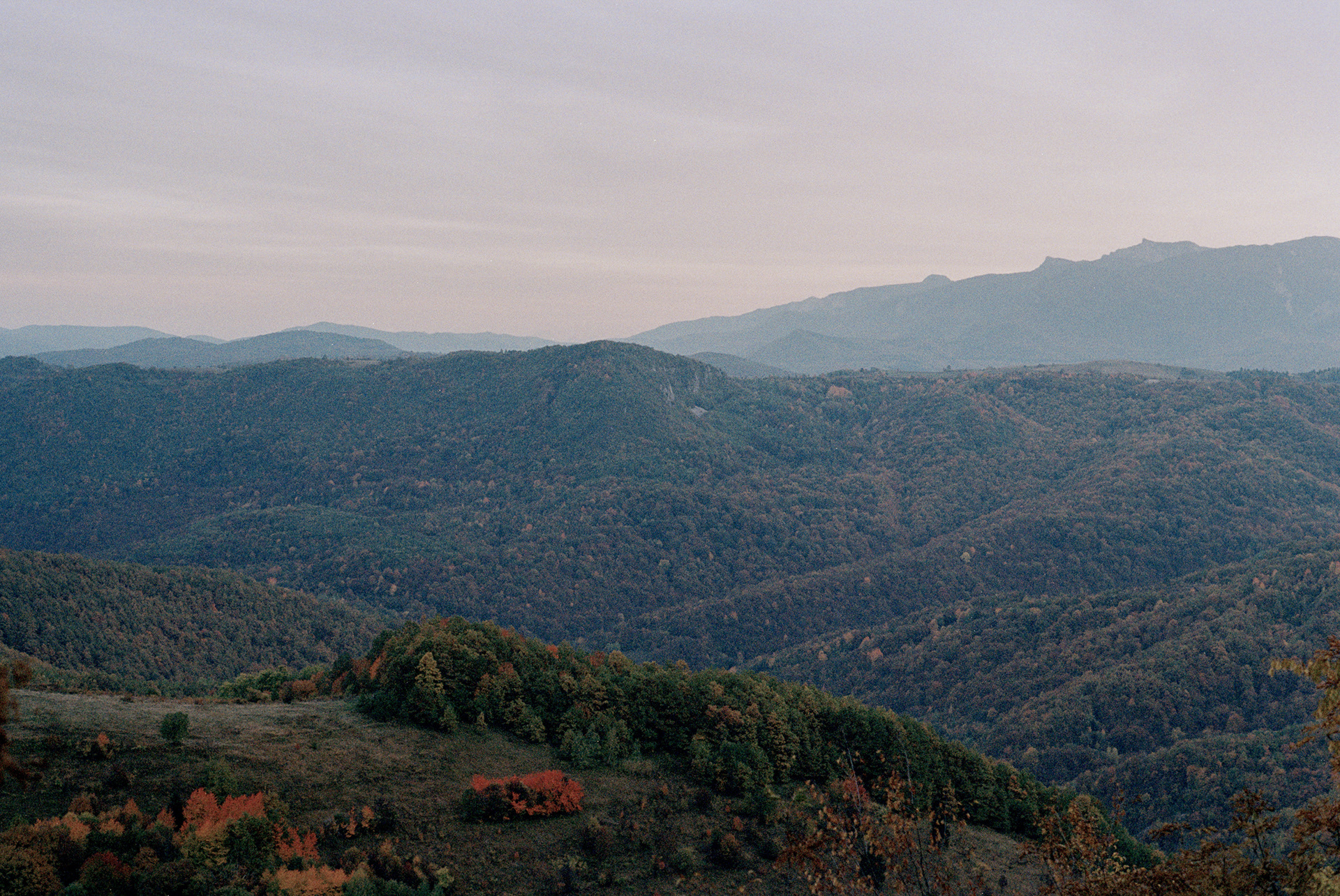
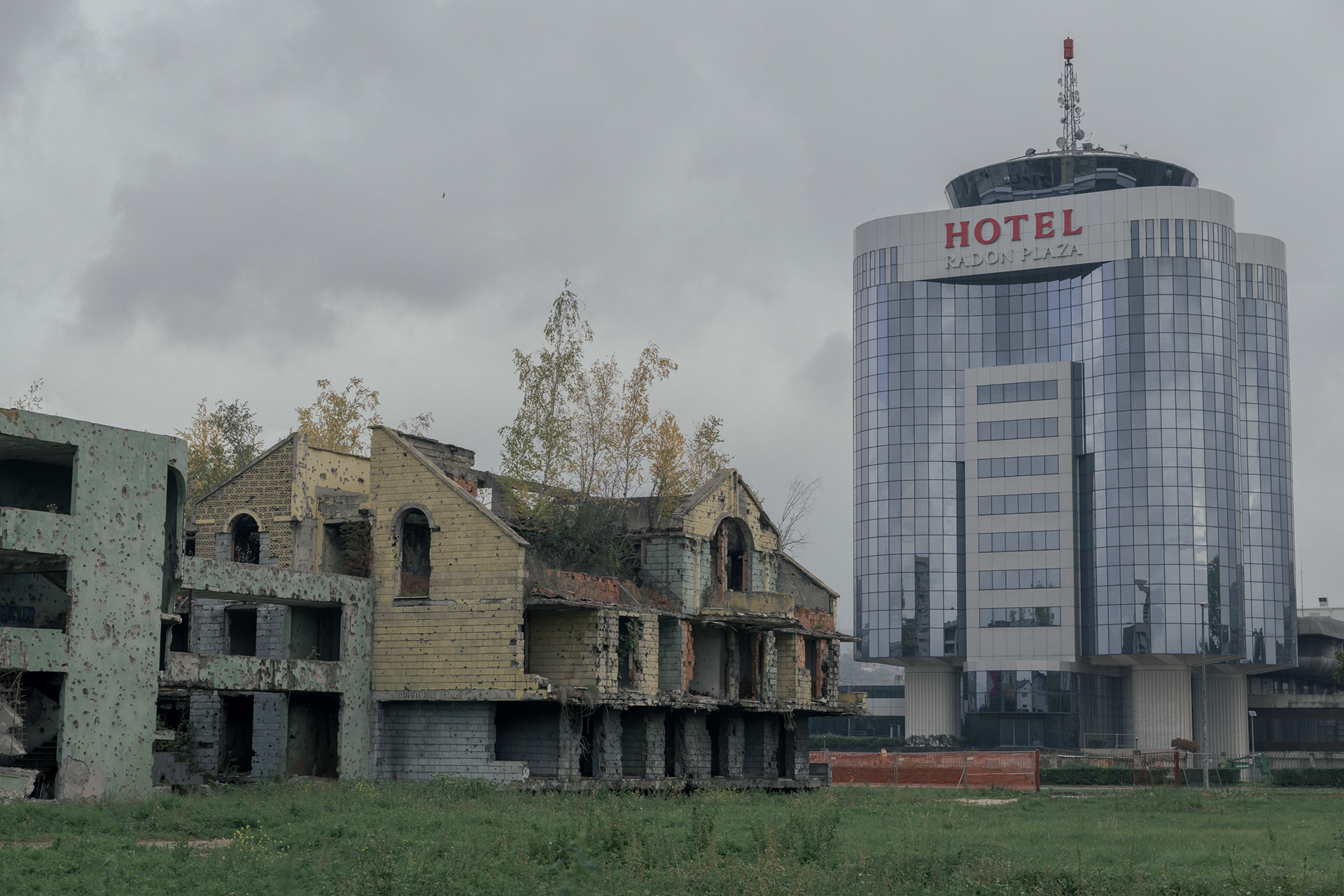
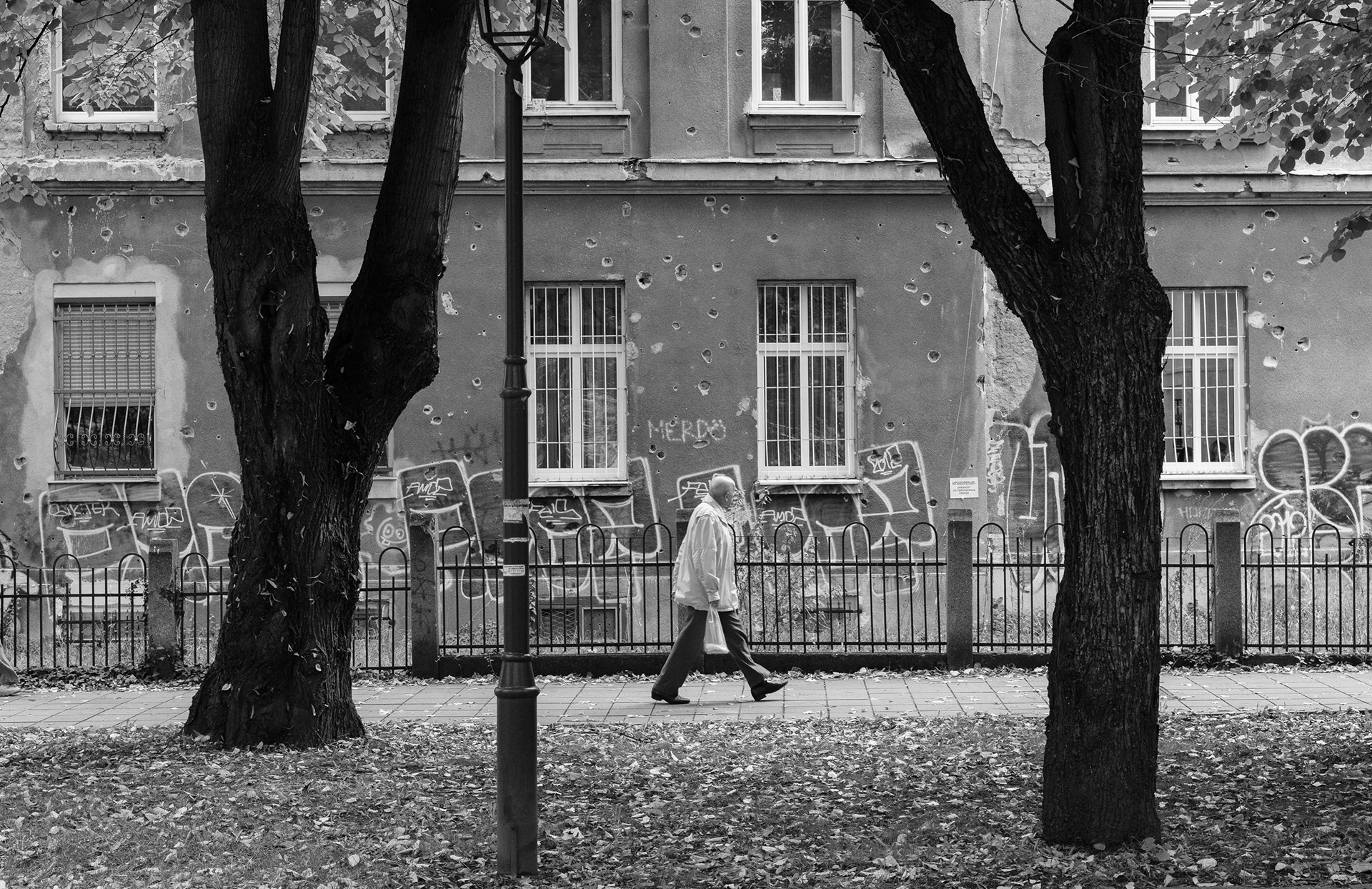
Thirty years have passed since the war in Bosnia and Herzegovina ended, yet the country still bears witness to what took place. Across the country, the past and present intersect. Time has softened the destruction, but the past continues to surface in the cities, in nature, and in its people.
Through glimpses of places, memories, and the stories of survivors, we see how the traces of violence linger long after the fighting has ceased, and how everything that ends continues to carry its marks onward.
Excerpt of my contribution to the project
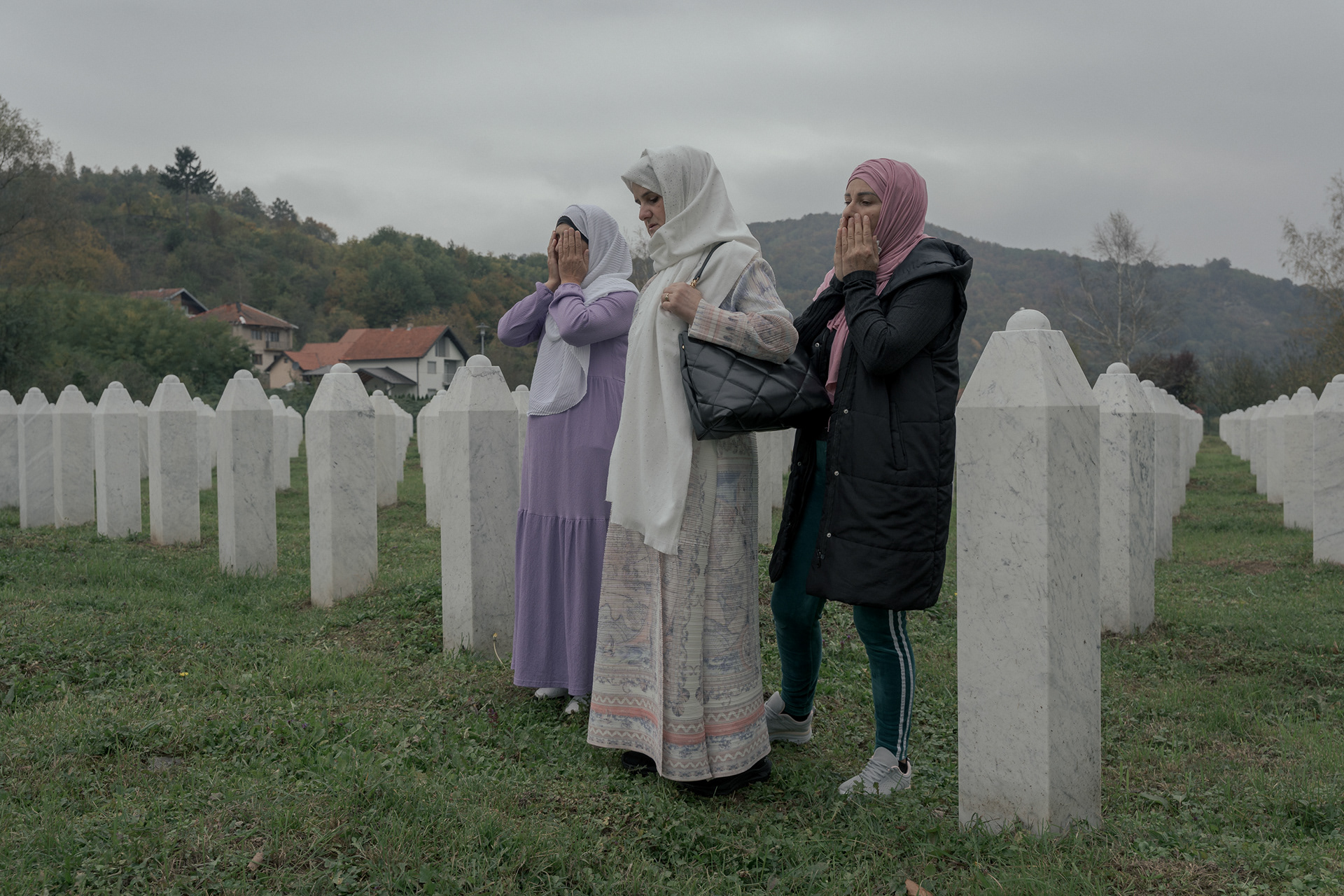
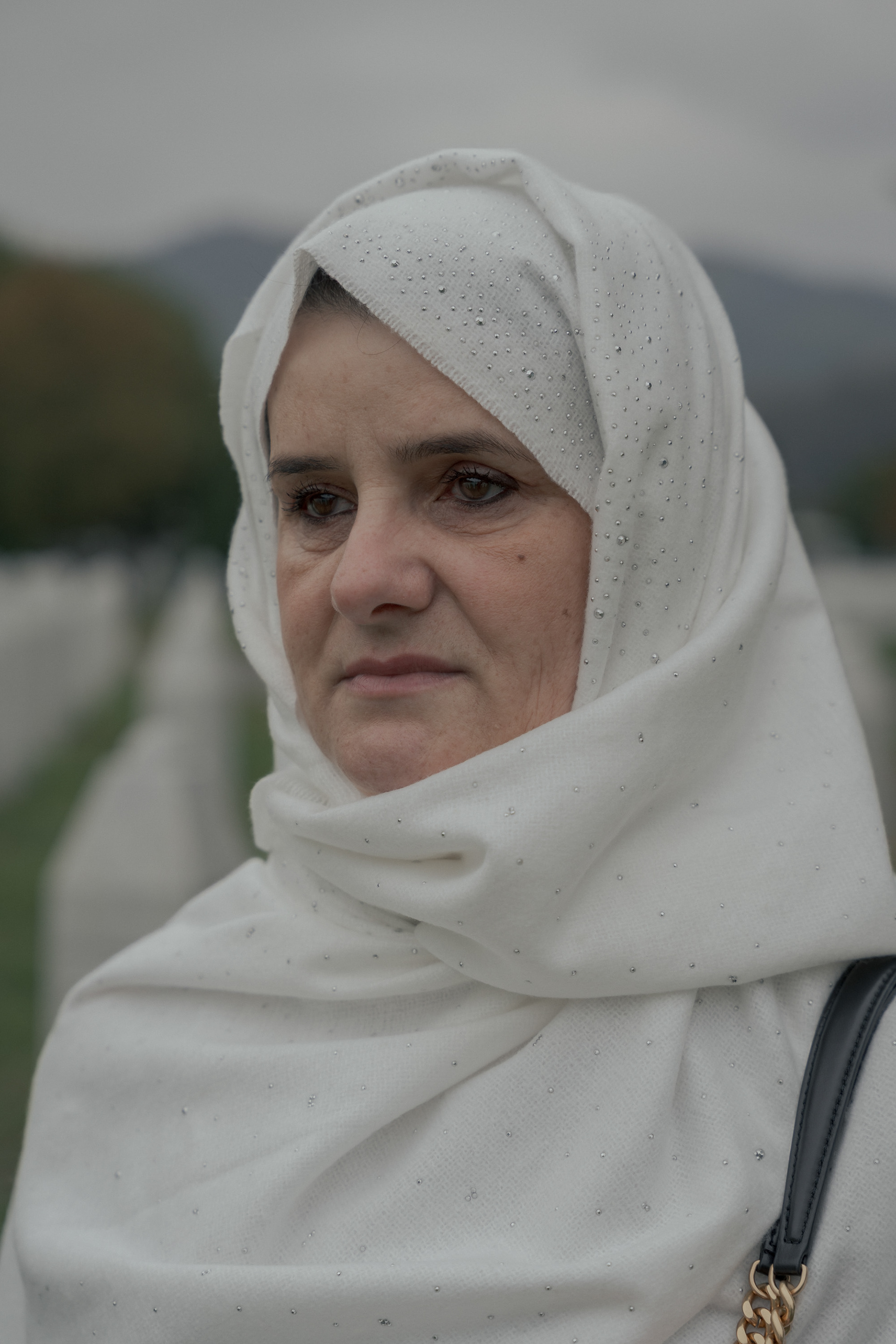
Jasmina, 51
"We didn't have place to go back to. We lost everything."
In 1995, Jasmina’s father and her 25-year-old brother were killed during the Serbian forces’ ethnic cleansing of Bosnian Muslims in Srebrenica. A few years later, she fled to America with her family in the hope of building a better life.
“I lost my brother, my father, and many others. They are still searching for my father’s body. His remains have never been found.”
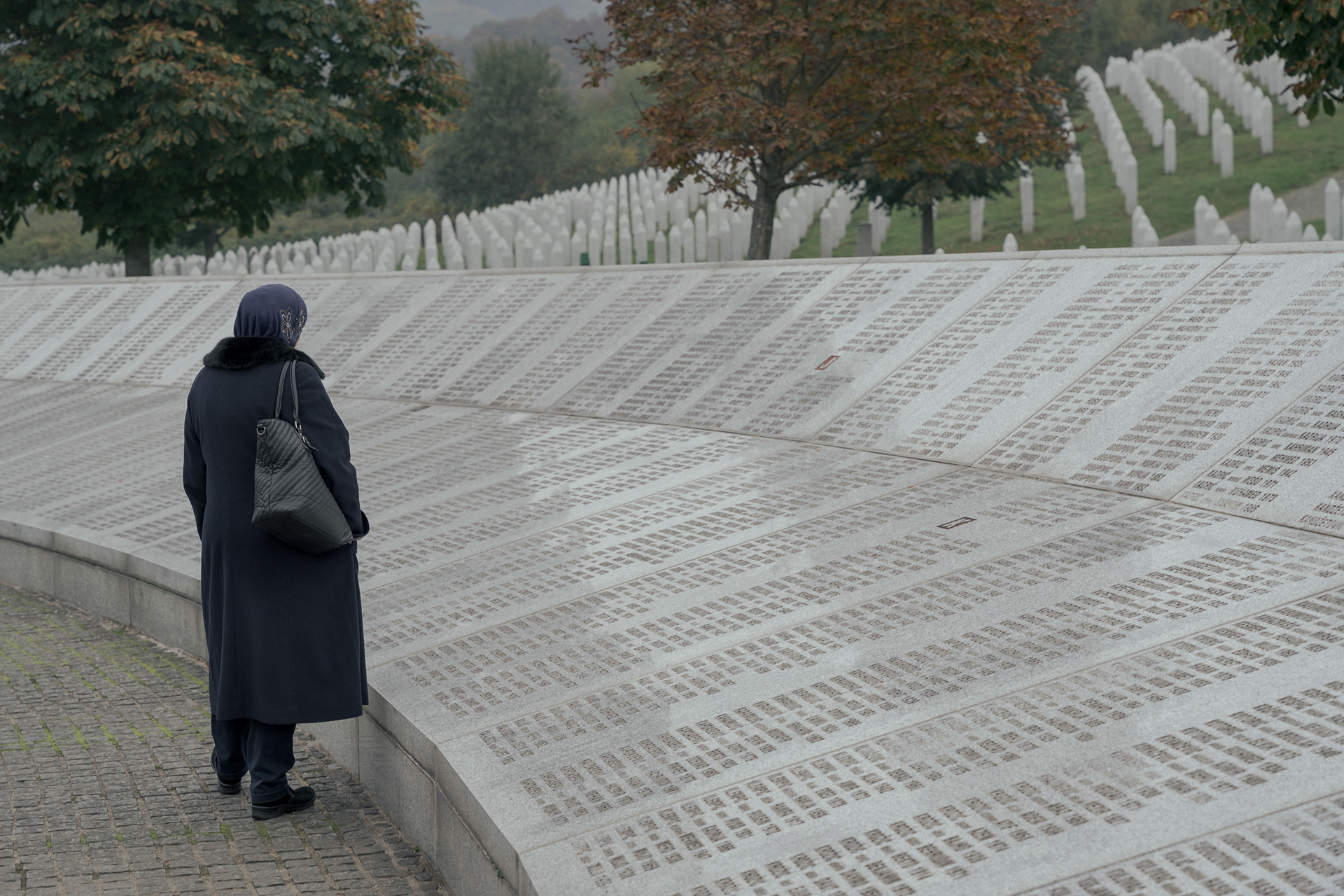
Today, Jasmina still lives in America. She tries to travel to Srebrenica every five years to visit the white marble headstones, where her brother’s name is engraved among thousands of others. This time, however, seven years have passed since she last visited the cemetery on the outskirts of Srebrenica.
Lejla, 49
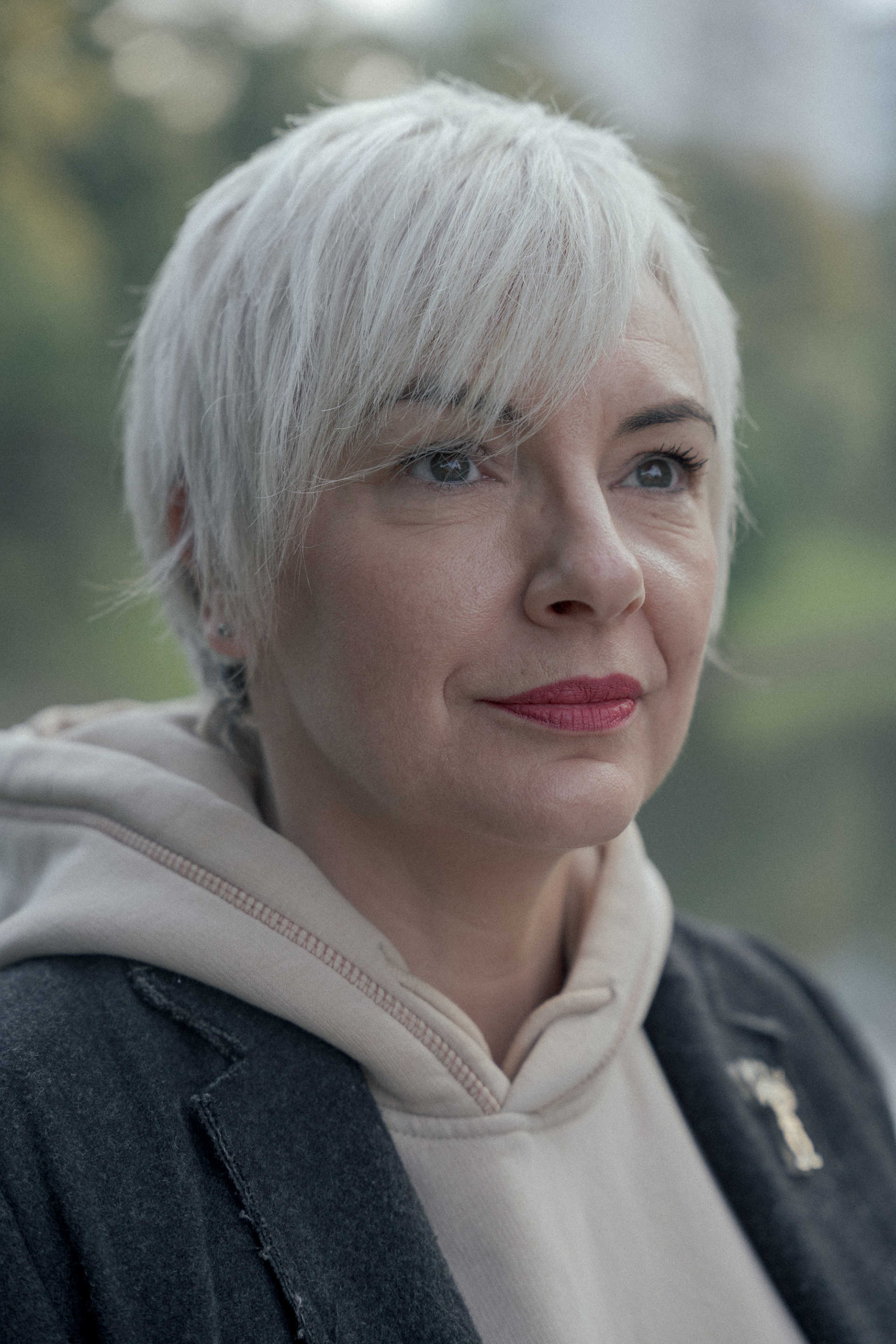
“In the first few months, we were trying to adjust to the situation. School started, and people went to work. It was a normal life with some extra precautions – for example, running to avoid being shot by a sniper.”
When Sarajevo came under siege by Bosnian Serb forces in 1992, Lejla was 16 years old. Directly across from her home lay the front line. Behind the apartment complex ran the main boulevard, which, during the siege, became known as Sniper Alley.
“How could it happen that one day they were your best friends, and the next day they knocked on your door and raped you? That is exactly what happened. Best friends began attacking each other because they were brought up like that. That is what really, really bothered me.”
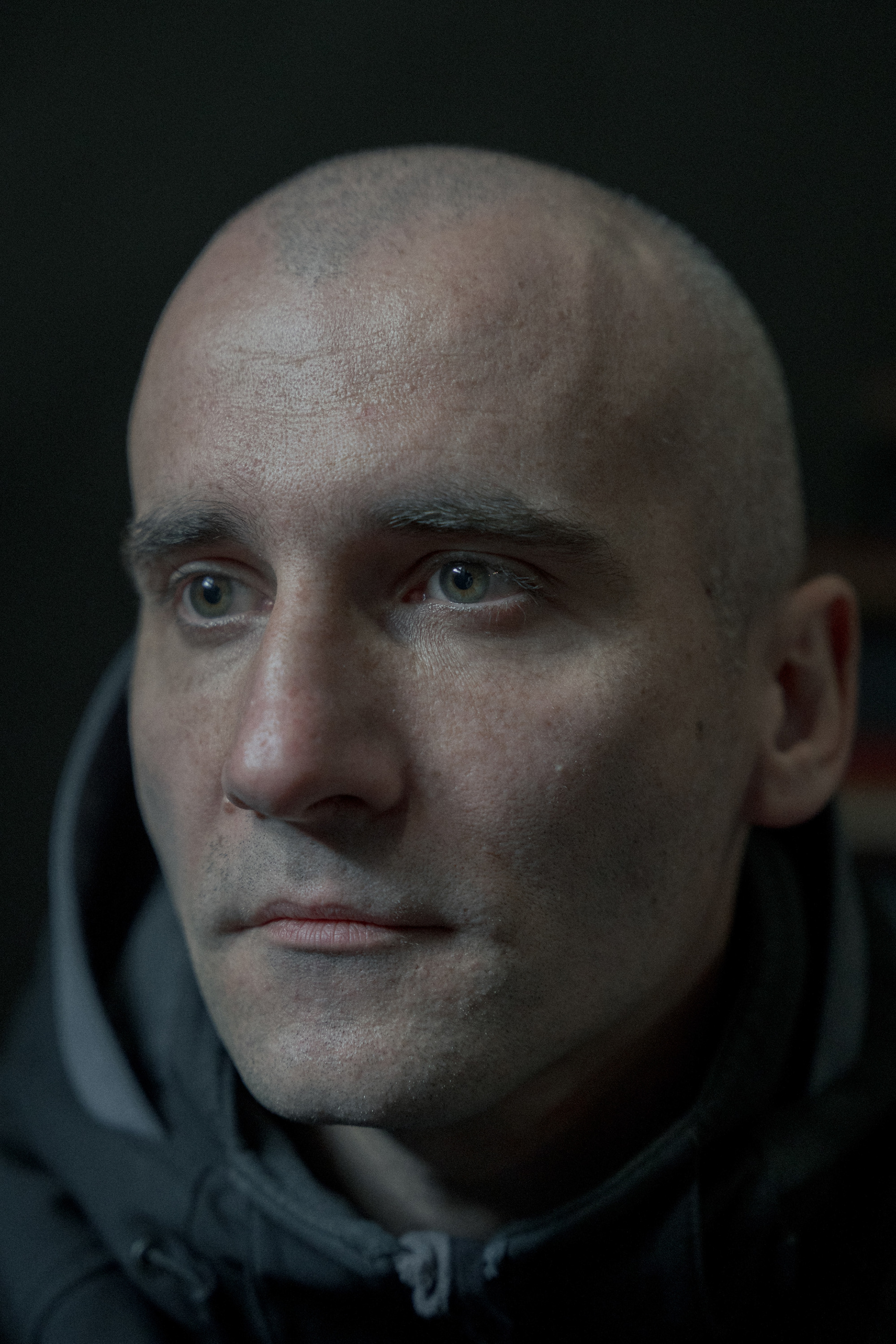
Senad, 38
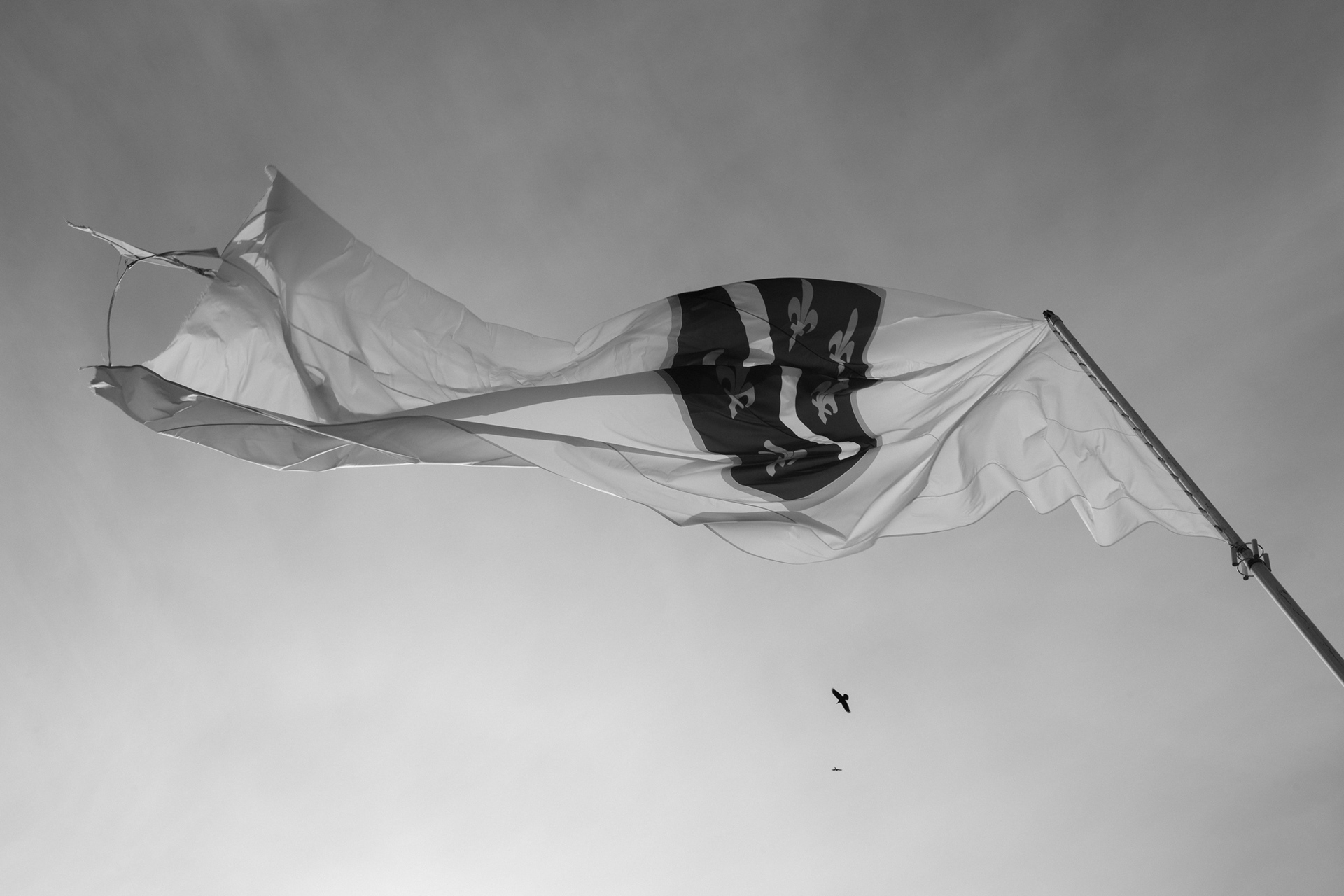
“People just want to move on. And we don’t have a choice. Because this country belongs to all three ethnic groups – not just Muslims, not just Croats, and not just Orthodox.”
Senad grew up in the town of Visoko, about 30 kilometers from Sarajevo. He was only four years old when the war began. His memories of childhood in a war-torn Bosnia and Herzegovina stand as clear examples of how he and many other children managed to adapt to a violent reality.
“When the bombing of our neighborhood stopped, we knew that for the next few hours there would be no more bombing. So we boys went into the streets and collected the shrapnel. Even in that crazy period, you are just a child."
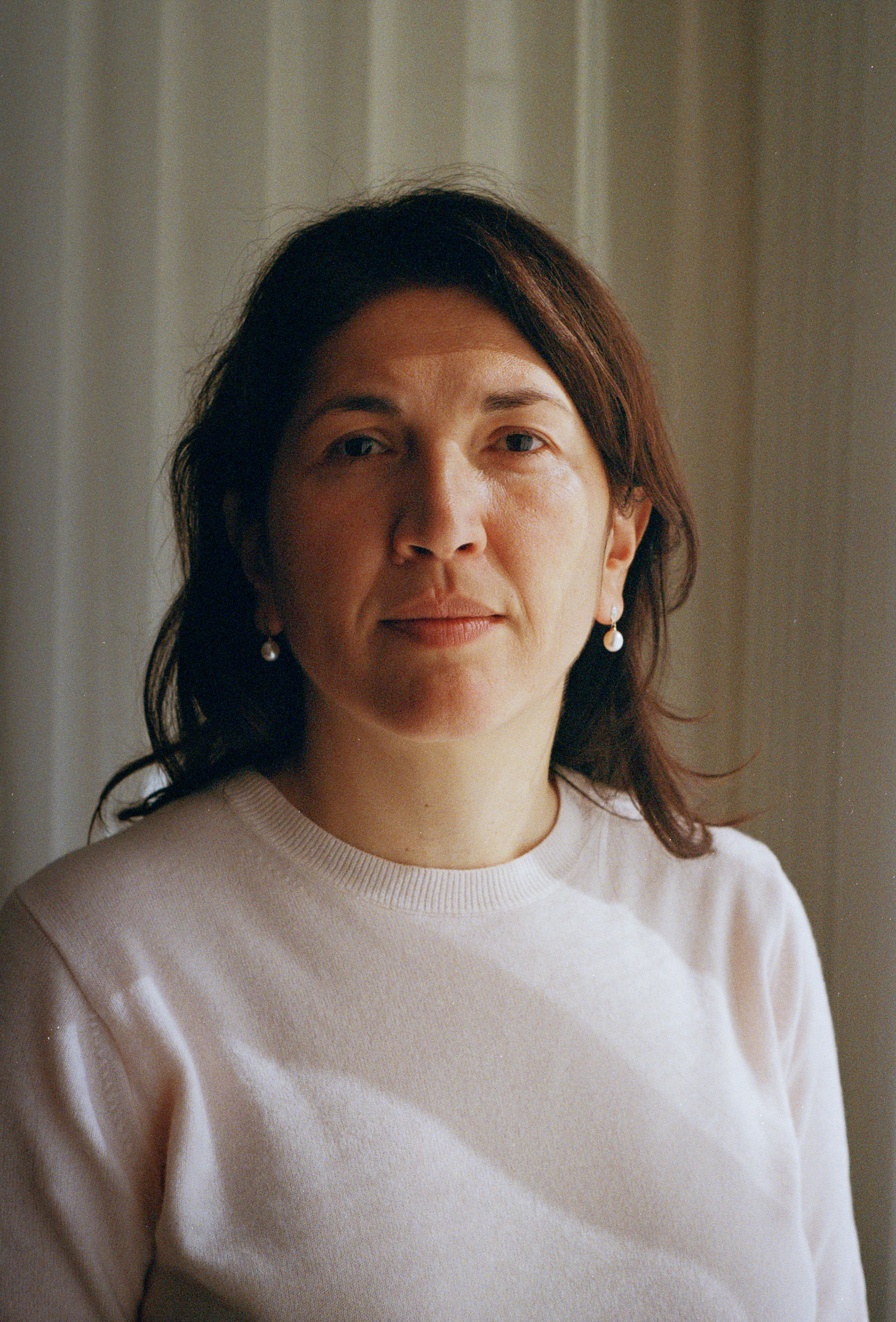
Renata, 47
“It's always in our minds. Regardless, you’ve lived normally, and as soon as there is some notion of disruption, the fear instantly kicks in. You can’t erase it.”
Renata had just begun her teenage years when the war broke out and she fled with her older sister to Split in Croatia where they remained refugees for four years.
At the end of the war, both of her parents were emaciated to the point of being unrecognizable, and the building she had grown up in had been reduced to rubble. Encouraged by her father, she fled to Australia where she later married and had three children. 26 years passed before she returned to Sarajevo with her new family.
"I'm finally ready to put my roots down because I'm tired of moving around. I'm just tired of constantly fighting and fighting and fighting. I’m just tired. You know, it gets to you, and you just want to stay in one place. You just want to have a normal life and be a normal human being.”